Decolorization…
This morning was another cool, crisp spring morning, and I decided to change up my routine and head down to the local diner. The diner is new since my last visit. It’s a fancy, upscale diner, as it should be for this neighborhood, but it is still a classic diner with a counter and booths. I had scrambled eggs, bacon, home fries and toast, with a glass of orange juice. A perfect way to start the day. The plan today is to work on this journal post, rest a little, head out in the late afternoon, and finish with some night photography around Times Square and the theater district.
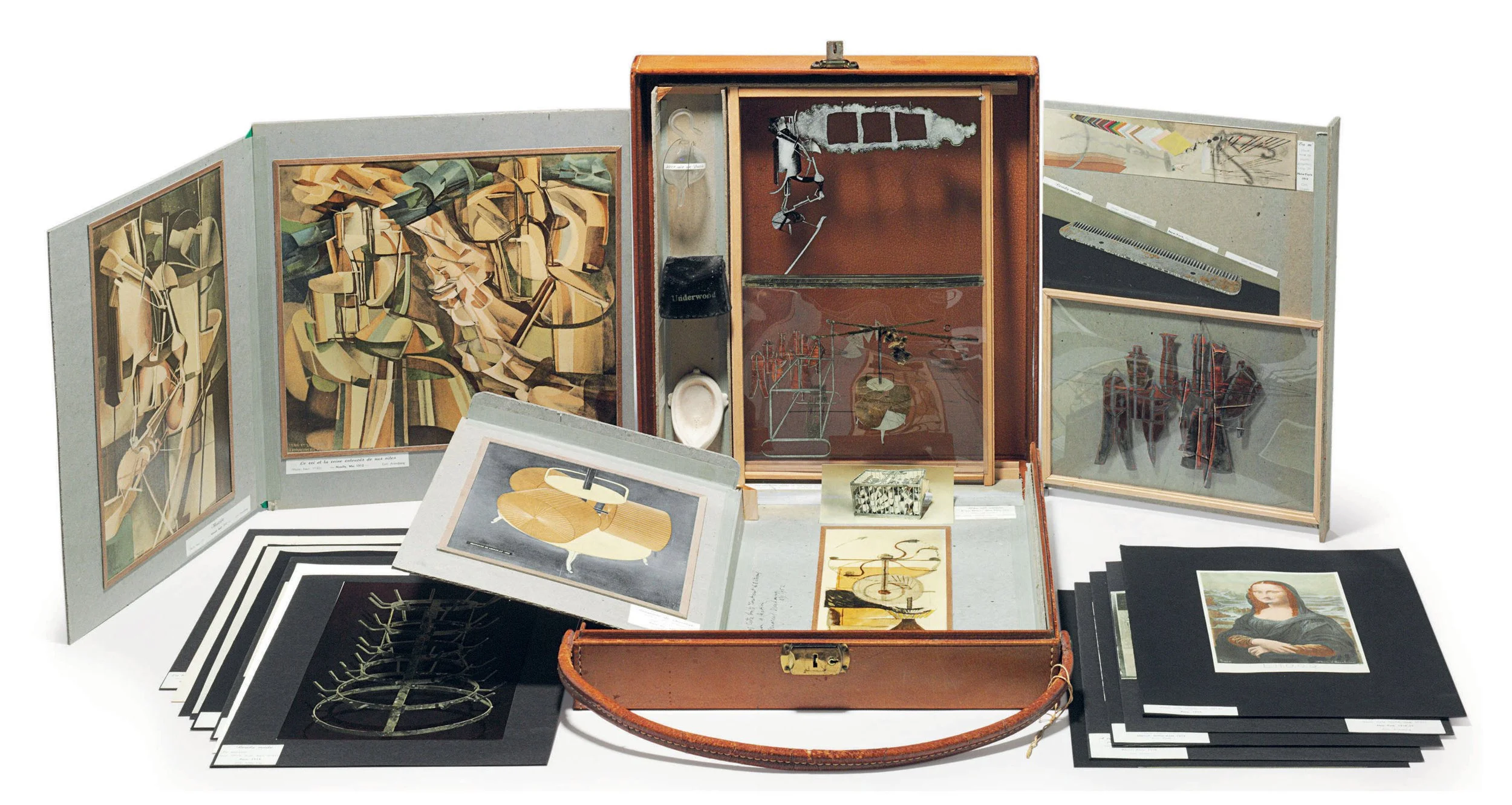
Yesterday morning started much the same, albeit with a more humble breakfast — cereal with milk and a banana. The plan was to head back to MoMA to revisit the Marcel Duchamp exhibition. I cannot recommend the exhibition highly enough to anyone planning to visit NYC before August 22nd. I wanted to go back this time with a specific purpose — to spend time with the Box in a Valise pieces.
Duchamp began the project in 1935, nearing fifty, at a moment when none of his work had yet entered a museum collection. His solution was characteristically oblique — he would make his own retrospective, a miniature one, assembled by hand. The Box in a Valise is a suitcase containing sixty-nine tiny reproductions of his most important works, made between 1910 and 1936. He called it his "portable museum." In his own words: "Instead of painting something, it was to use the reproduction of those paintings that I loved so much into a small, reduced form. I thought of the idea of a box in which they would be mounted, like in a small museum — portable museum, so to speak."
What makes the pieces more than a curiosity is the context in which they were made. Duchamp began assembling them in Paris as fascism rose across Europe. He worked on them while fleeing the occupation to the South of France, and he carried the project with him when he emigrated to the United States in 1942 — joining a generation of artists in exile here in New York. He ultimately produced more than 300 of them across seven series, continuing until the end of his life. Standing in front of them at MoMA, knowing all of that, you understand why I had to go back.
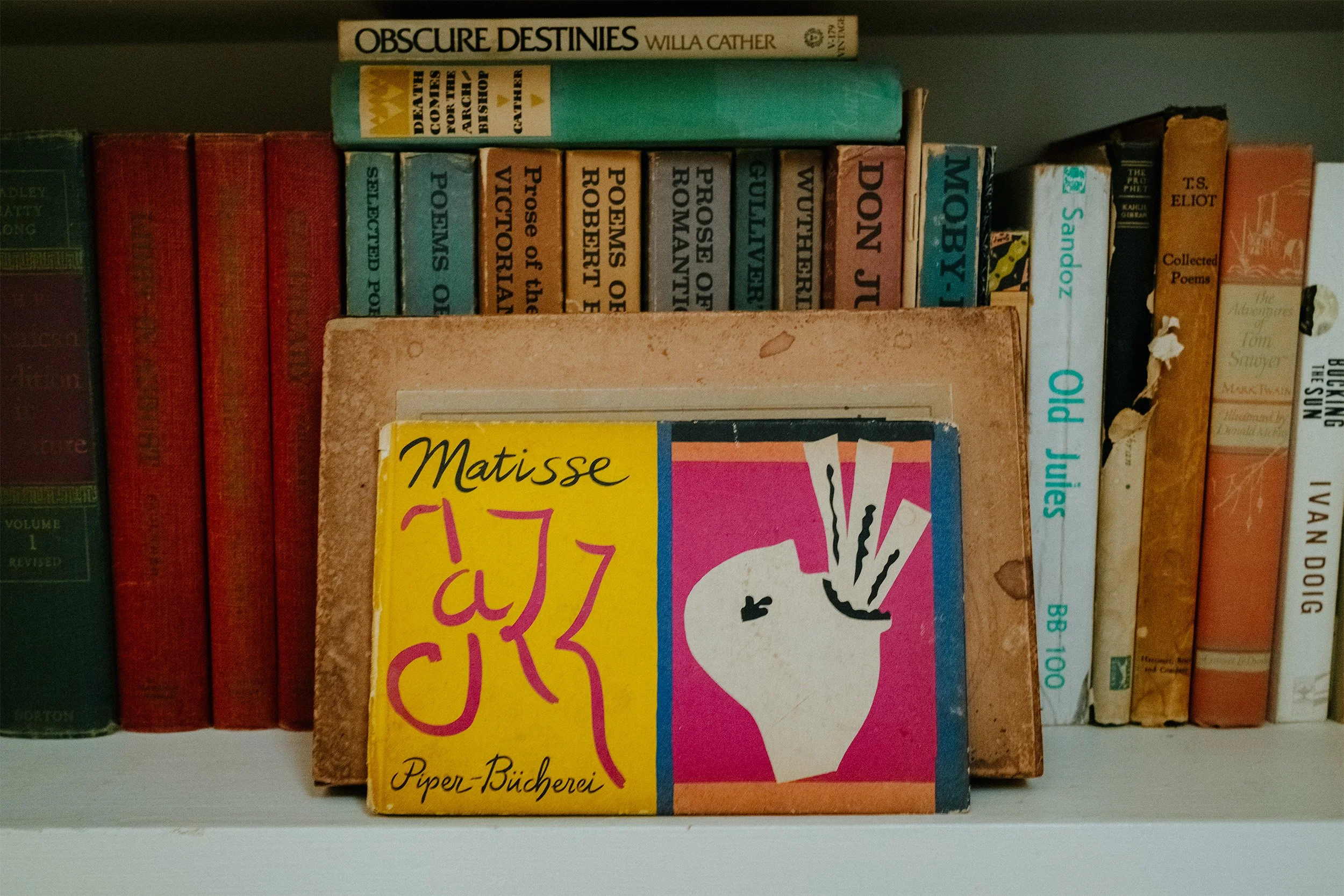
I have included a photograph of one of the pieces in the gallery below. These pieces have me reconsidering my hesitation regarding print portfolios in a presentation box vs. a book. It is an interesting direction that I may explore.
From the museum, I walked south, zigzagging from 6th Avenue to 7th, then to 5th, working to avoid the crowds and see more of the city. I estimate it was about a 3-mile walk, and I was hungry when I sat down at Tue, a Thai restaurant. Therese and I discovered through a Poetry series we attend. The meal was excellent, and I was fueled up and ready to walk some more.
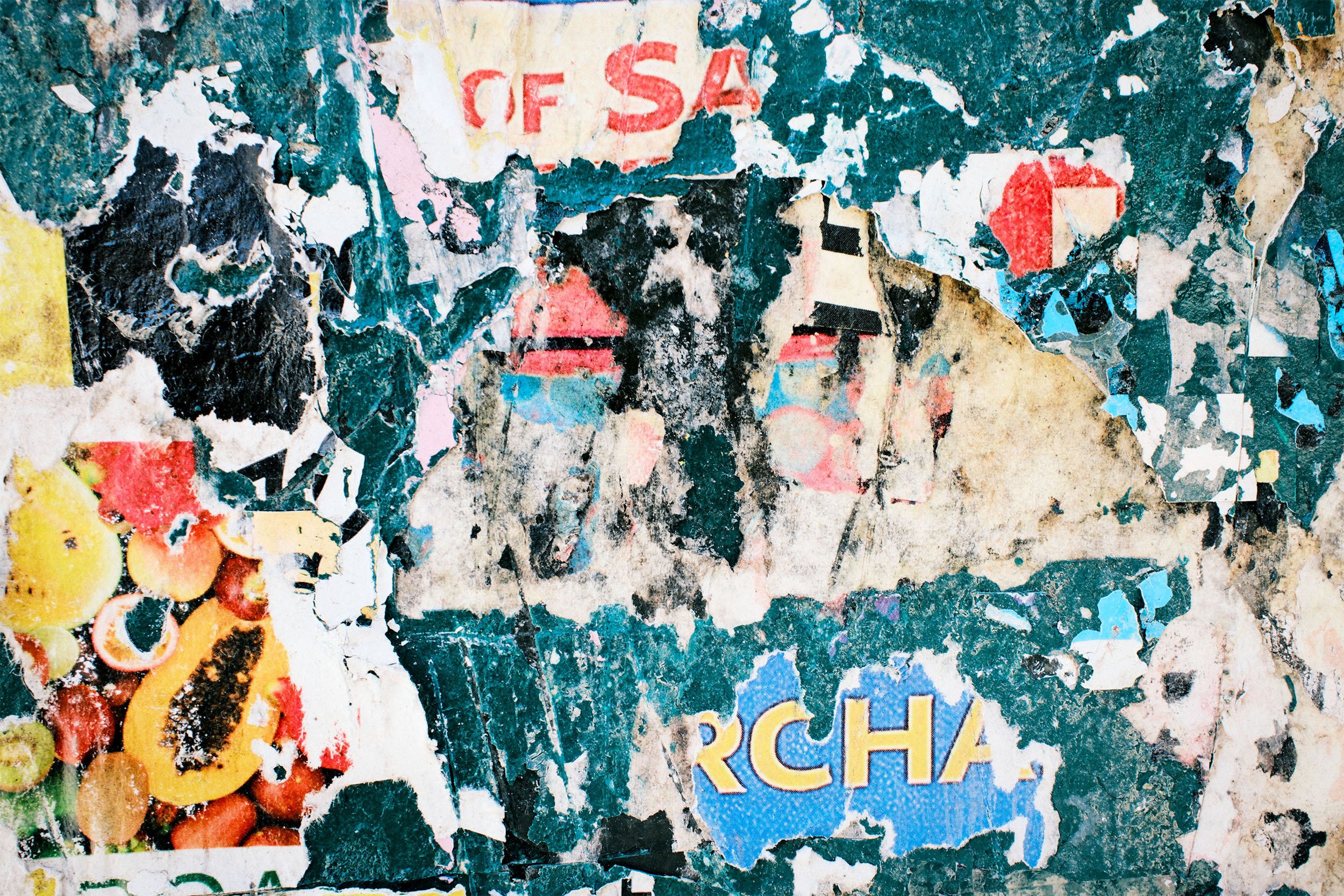
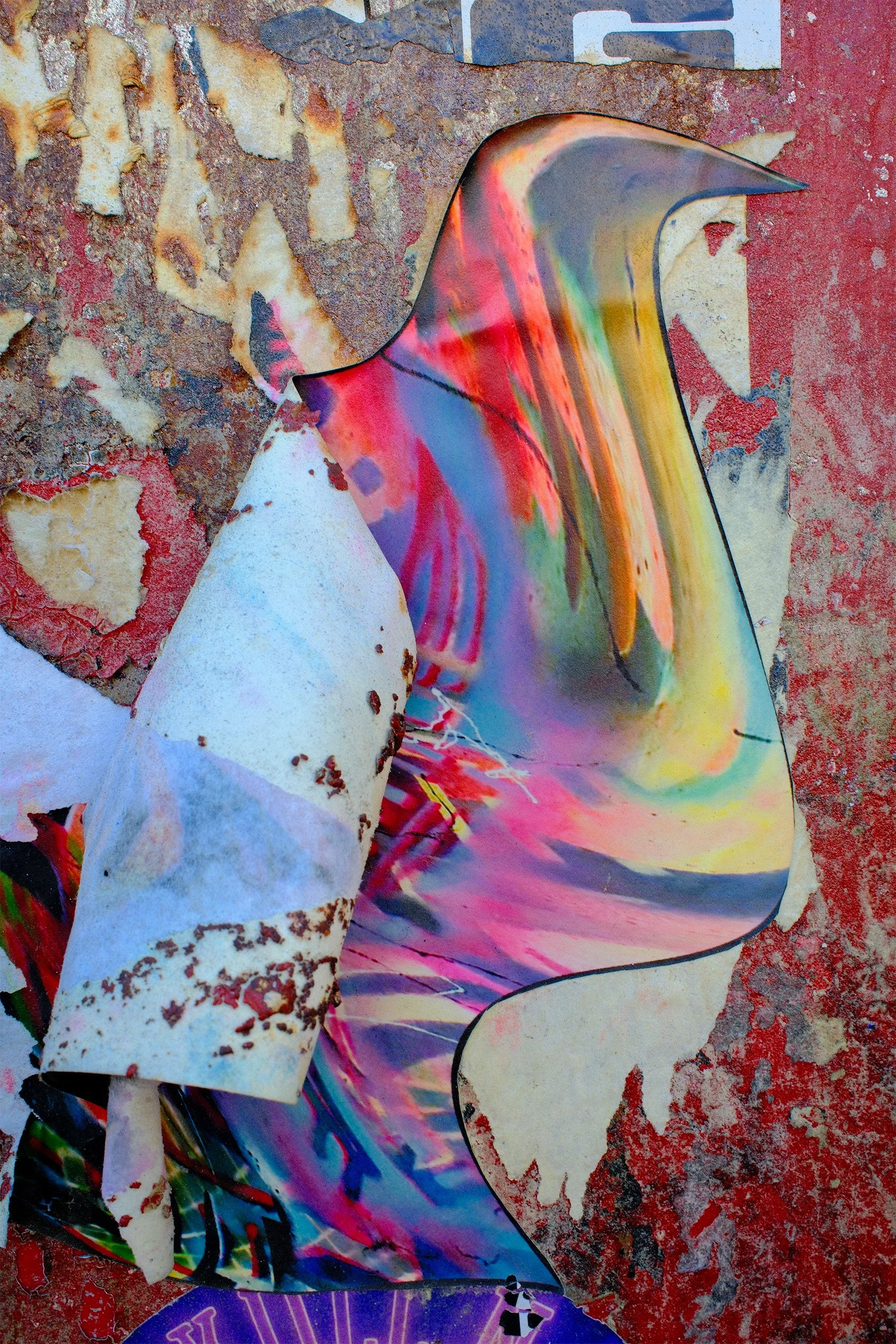
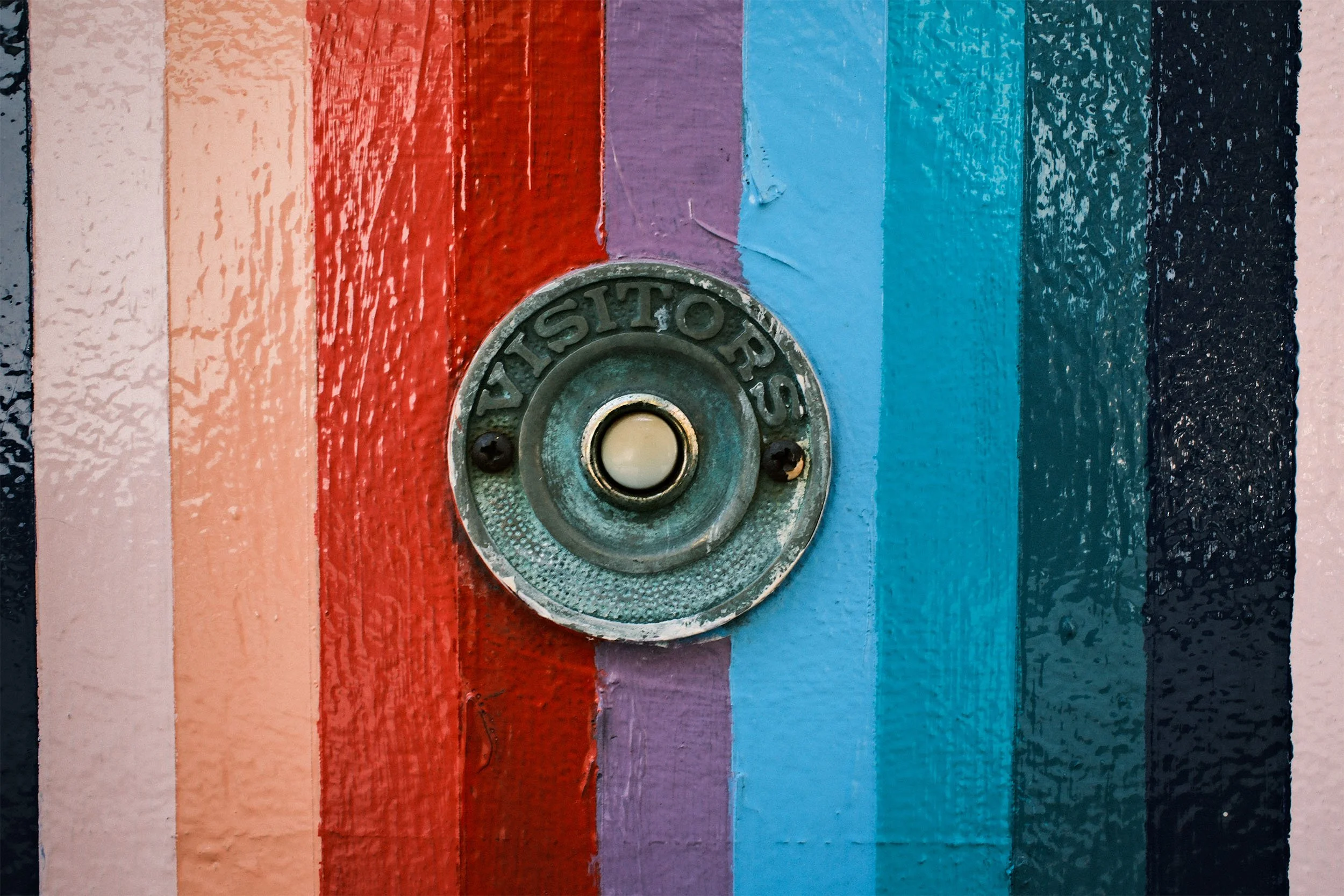
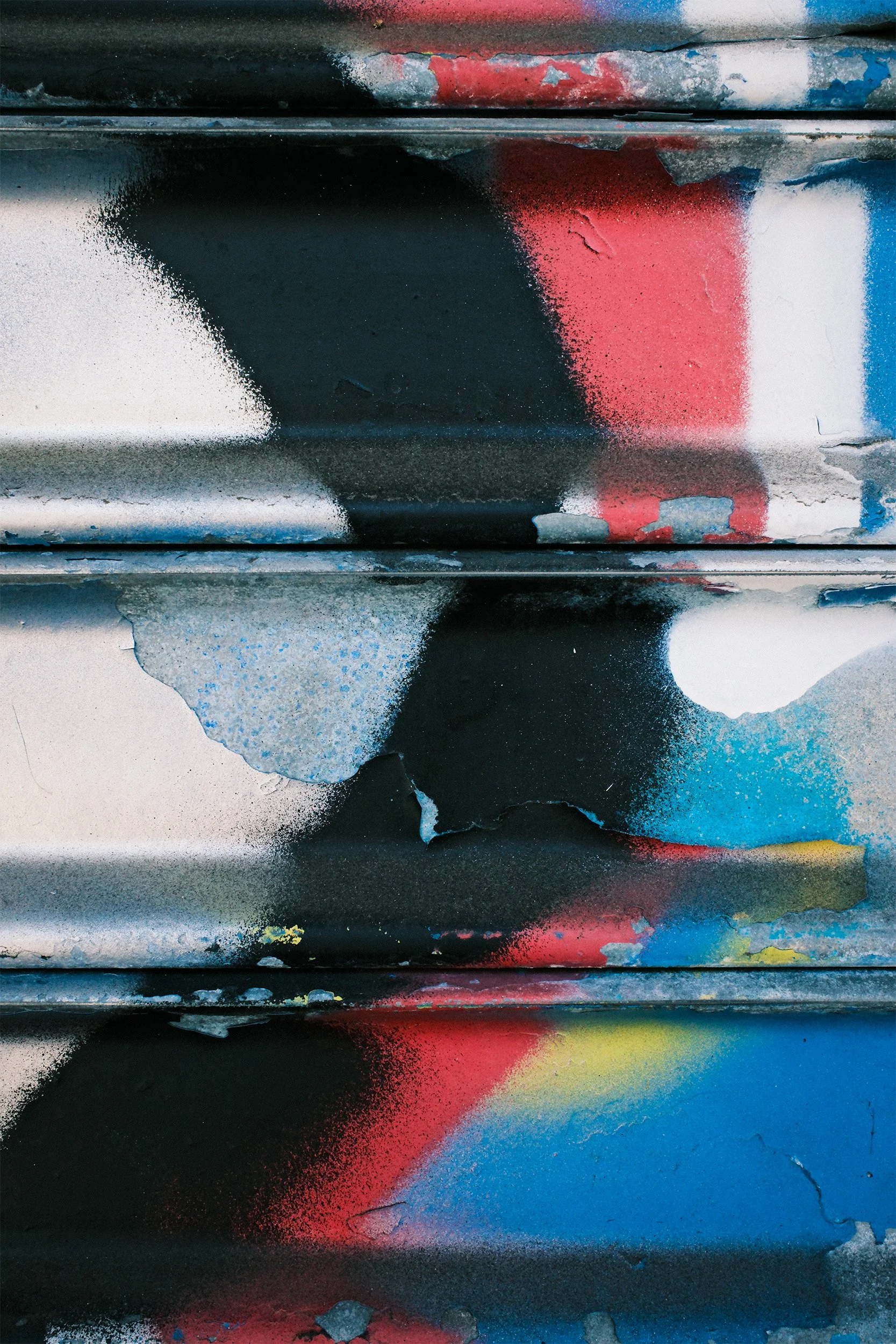
I headed out into the village, making the requisite visit to the Saul Lieter plaque on the apartment building where he lived for sixty-two years. As I walked around the village, I was struck by something that has been percolating in the back of my mind for a while — something I have started to call the Decolorization of the Modern World. Next time, you're out driving and check out the cars on any street or dealer lot; you will find that nearly all are white, silver, gray, or black. Most homes have exteriors and interiors painted in some variation of white, beige or gray. It turns out this is not just my imagination — researchers have documented it, and there is even a book, David Batchelor's Chromophobia, that argues the West has long harbored a deep suspicion of color, associating it with the primitive and the unsophisticated. The world has been quietly draining of color for decades, and most of us barely noticed — I hadn’t until I really started to focus on color photography.
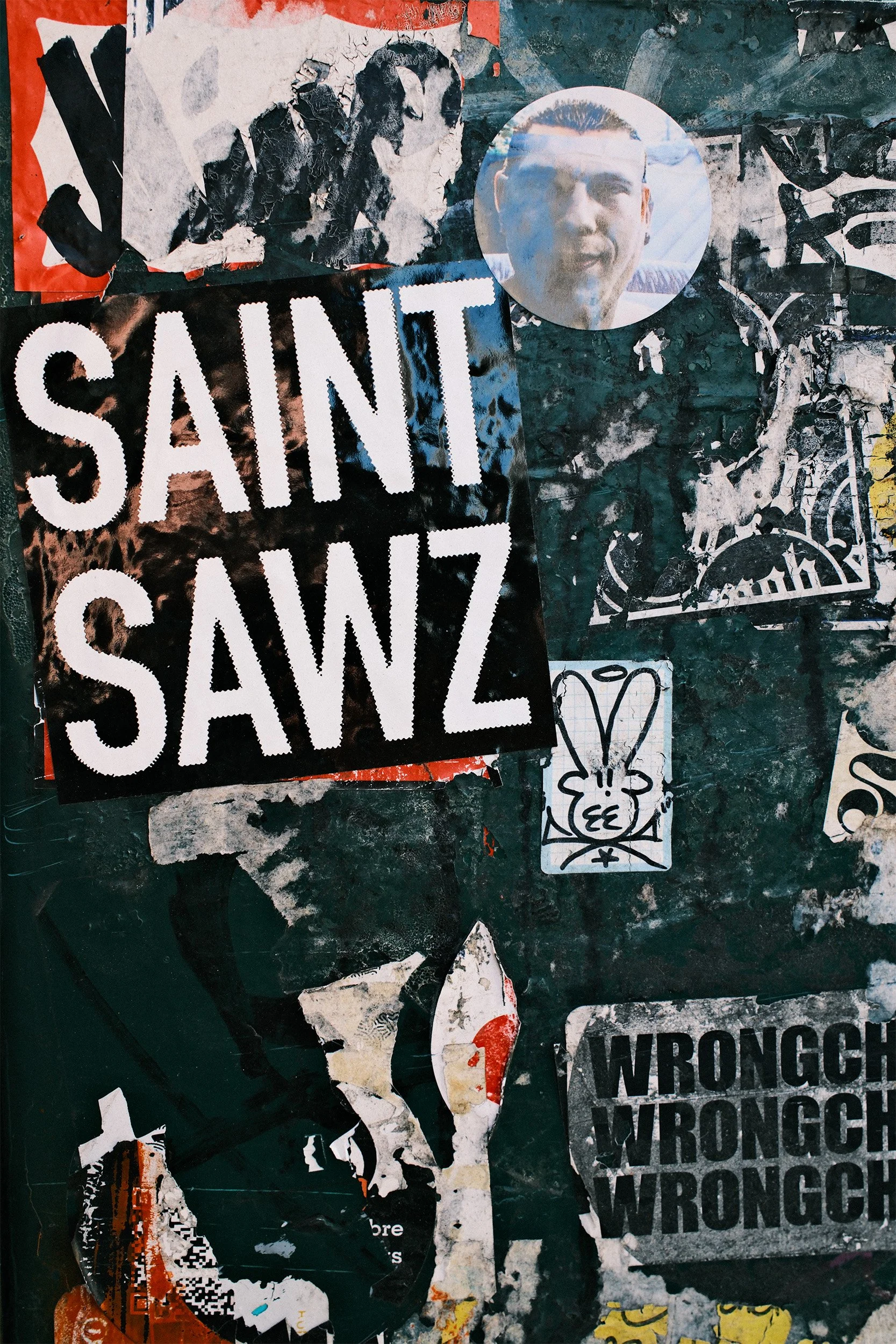
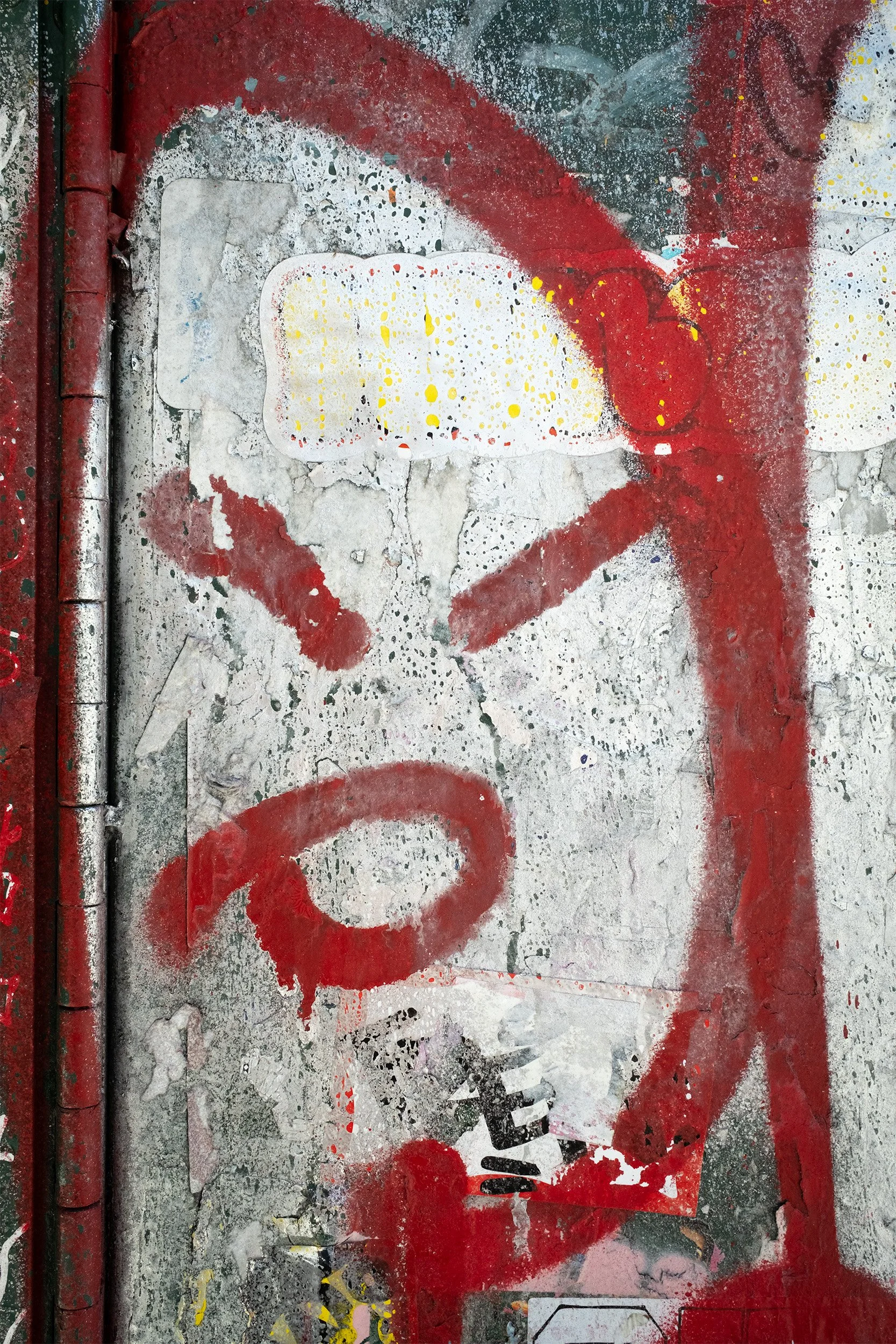
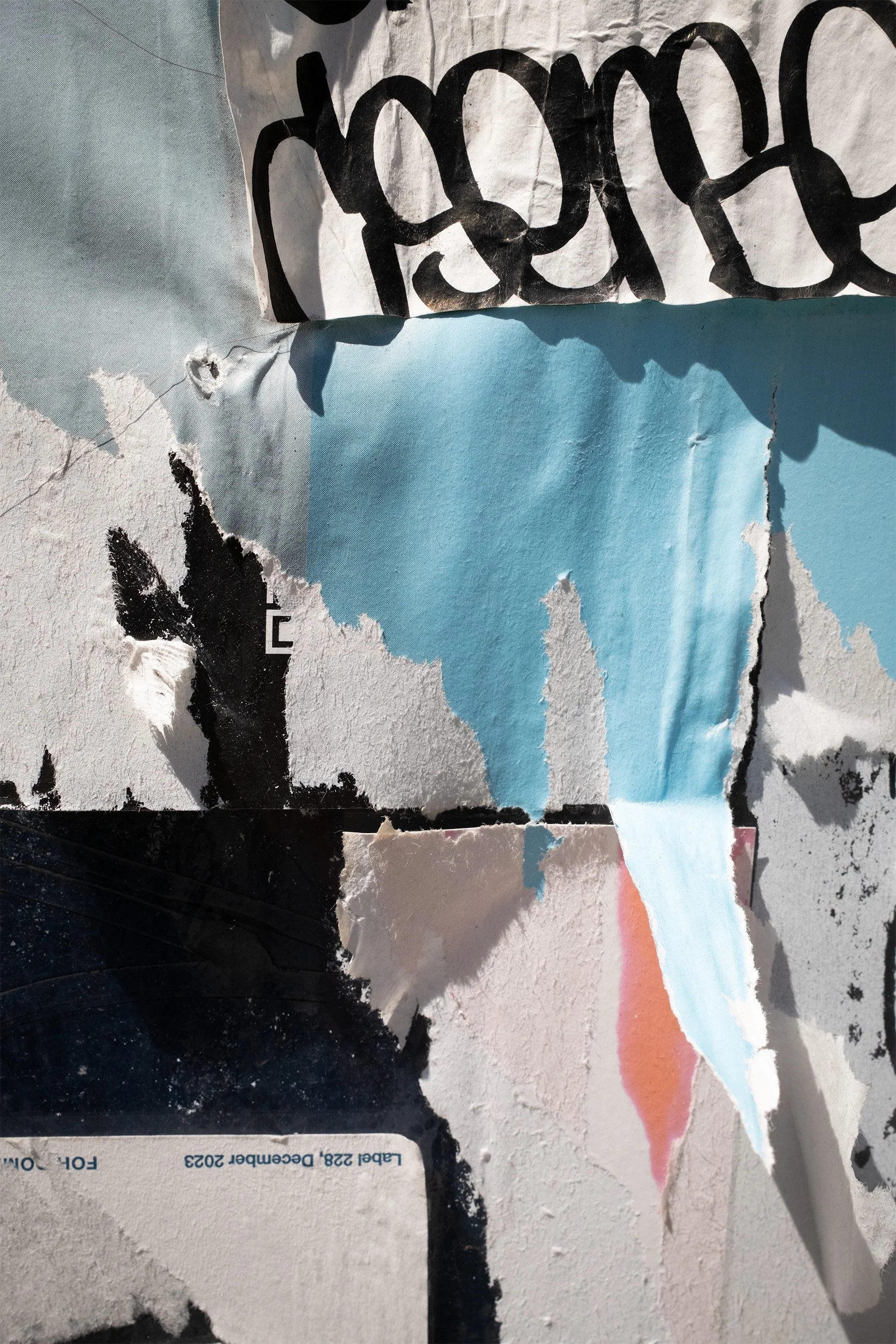
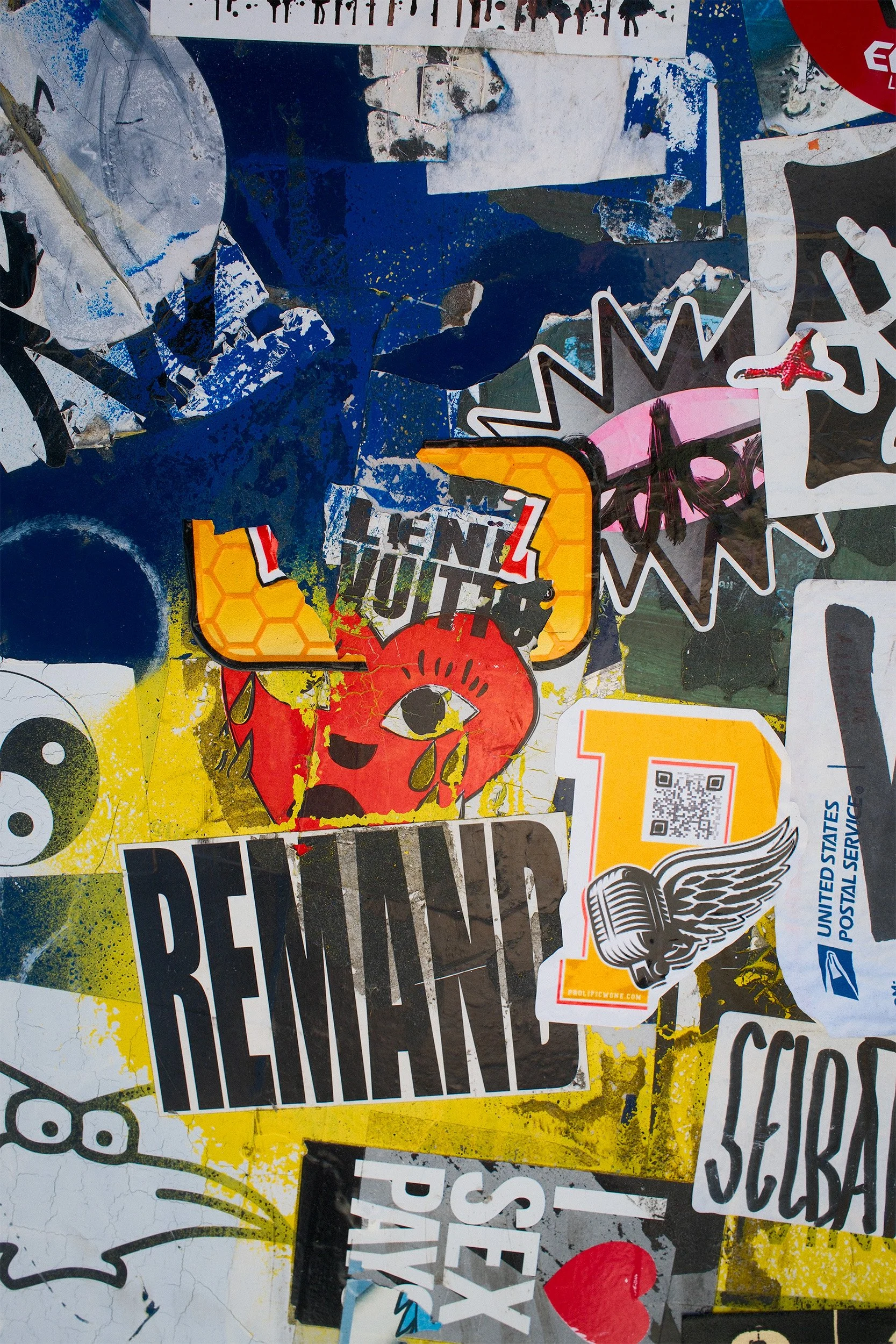
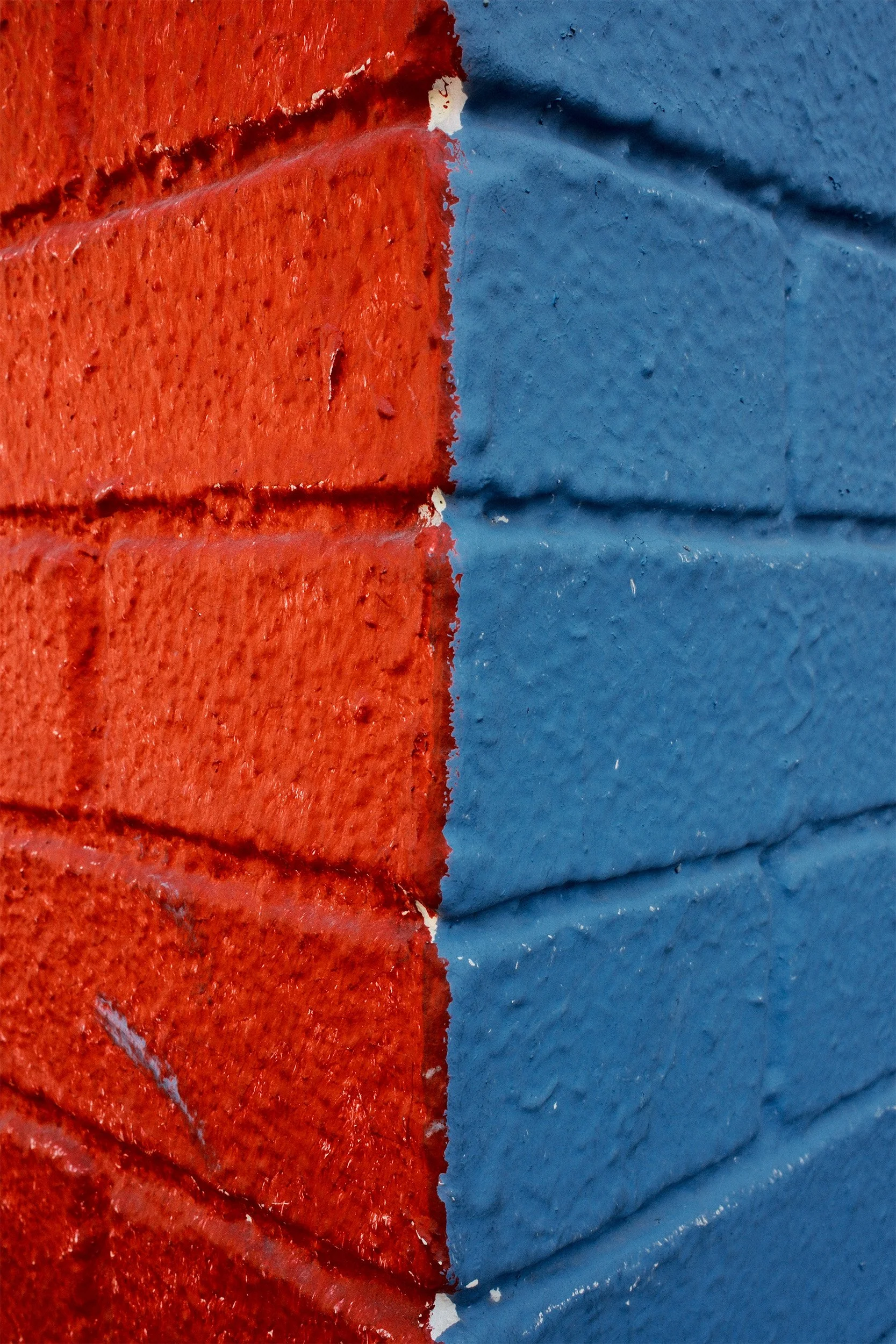
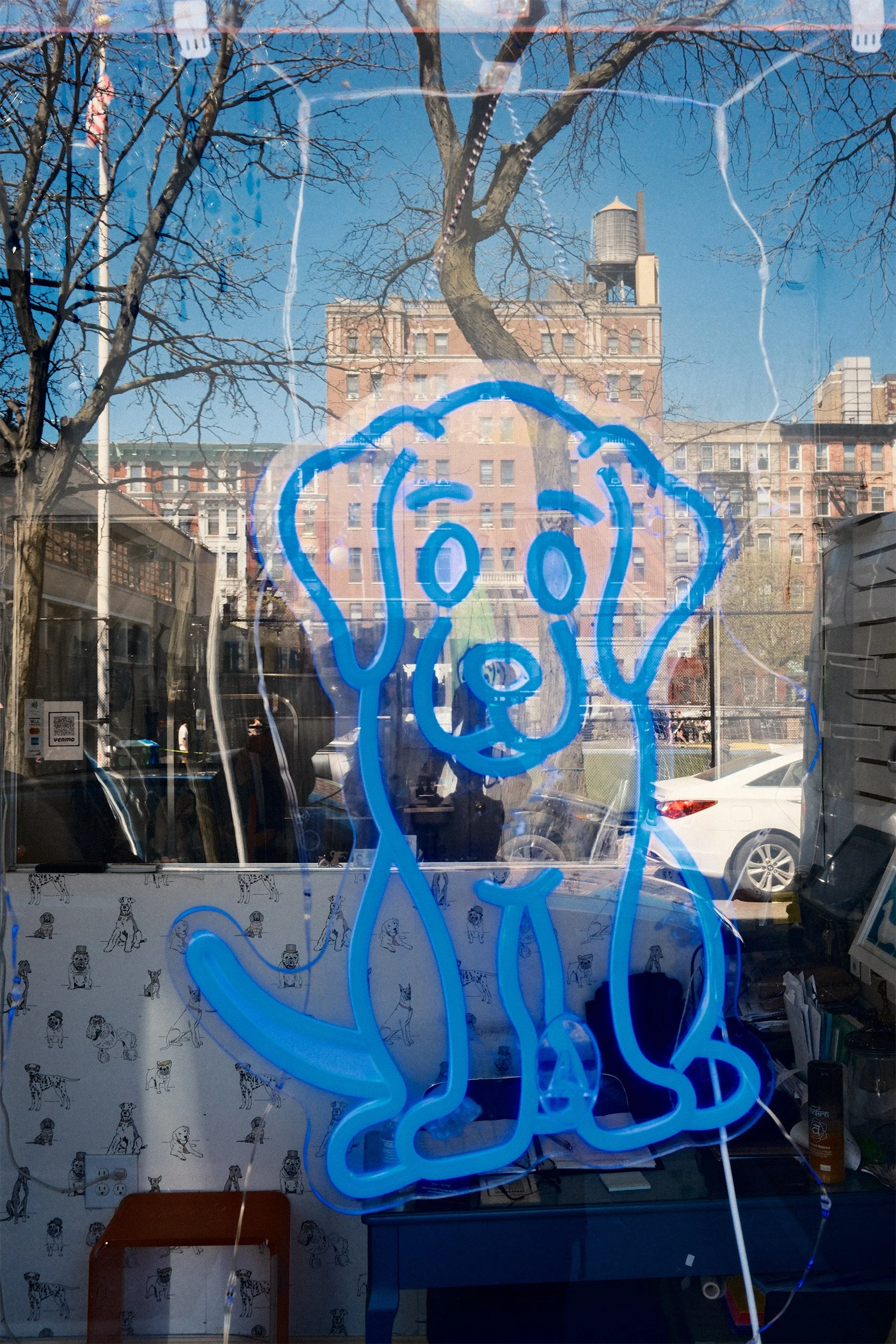
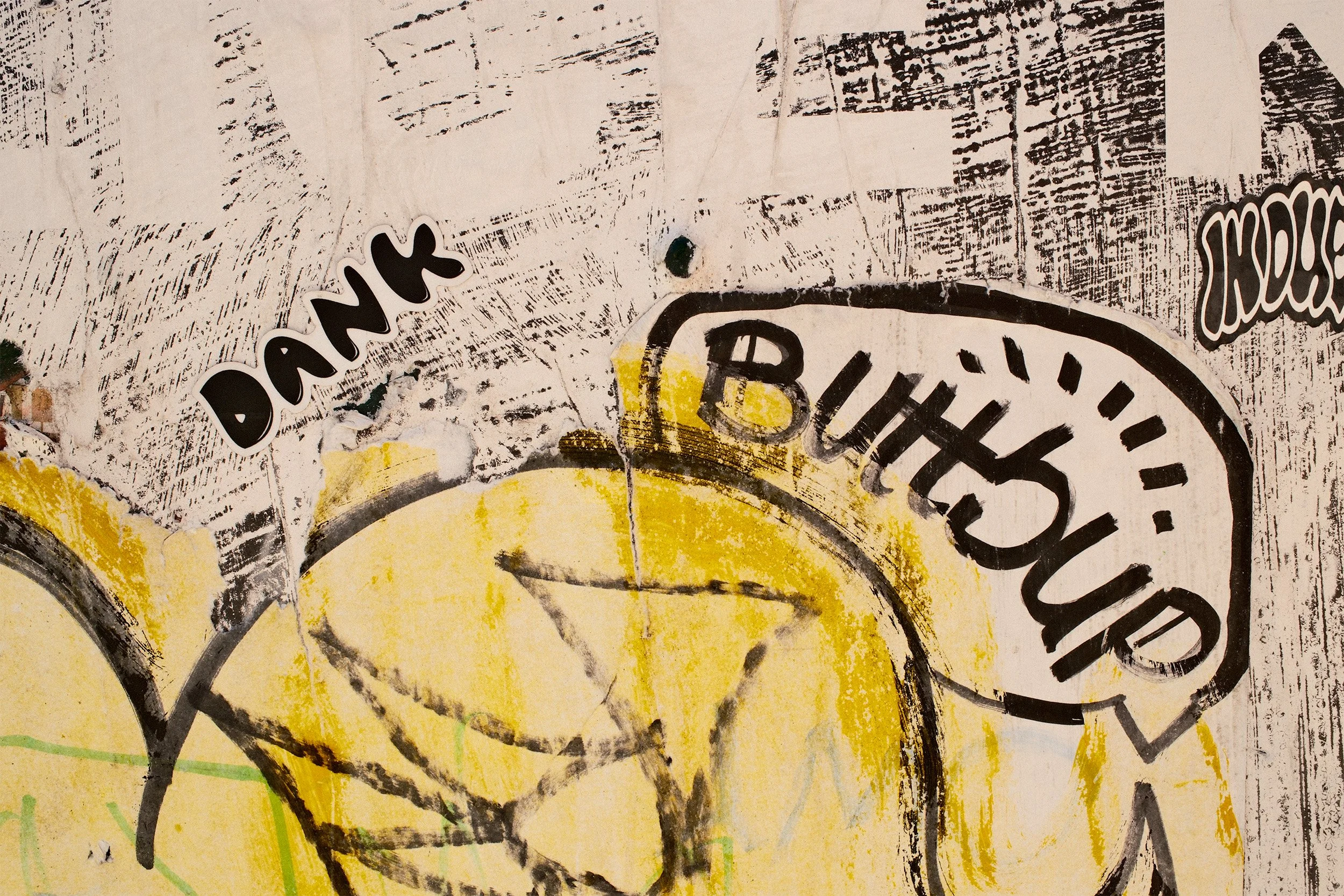
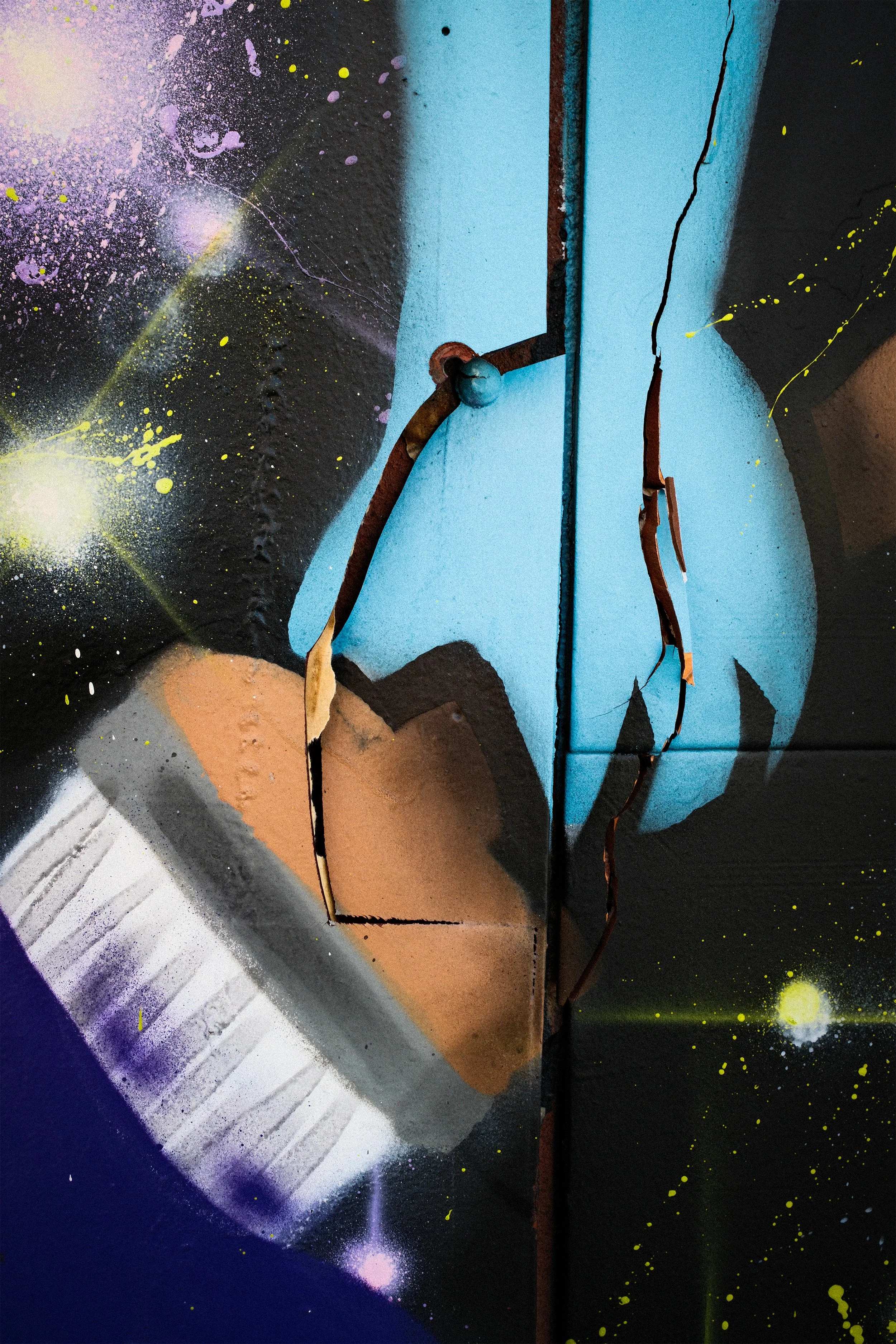
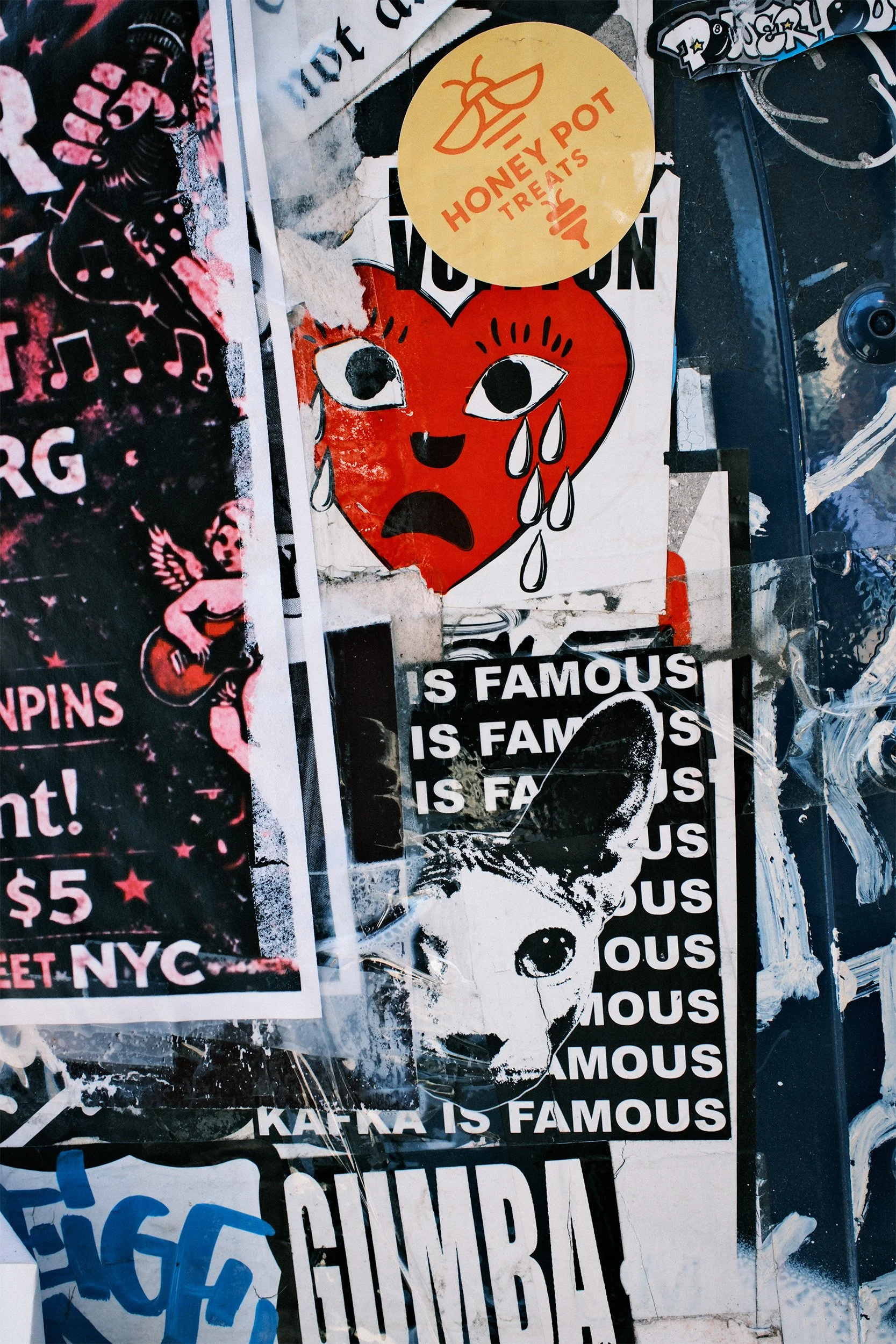
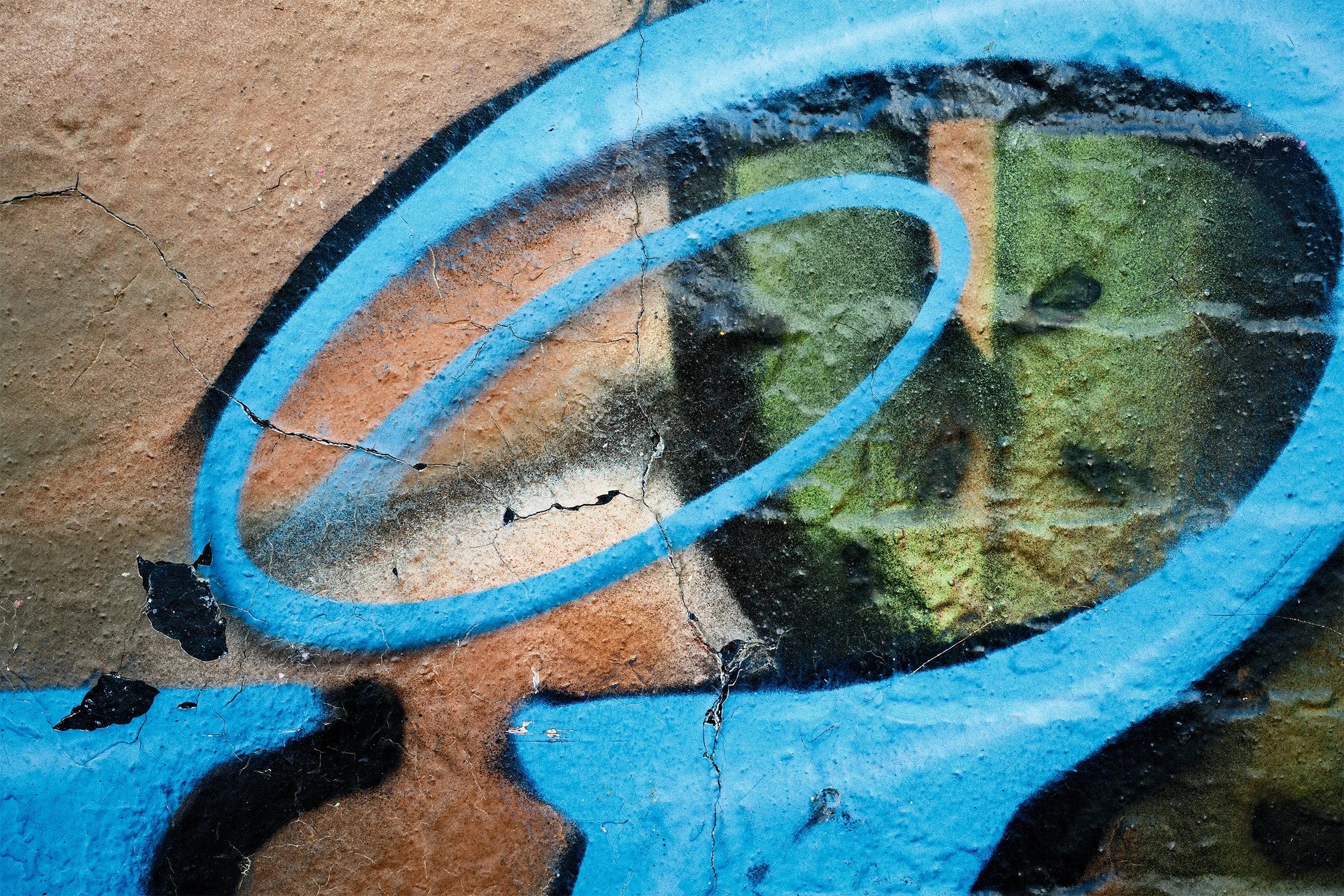
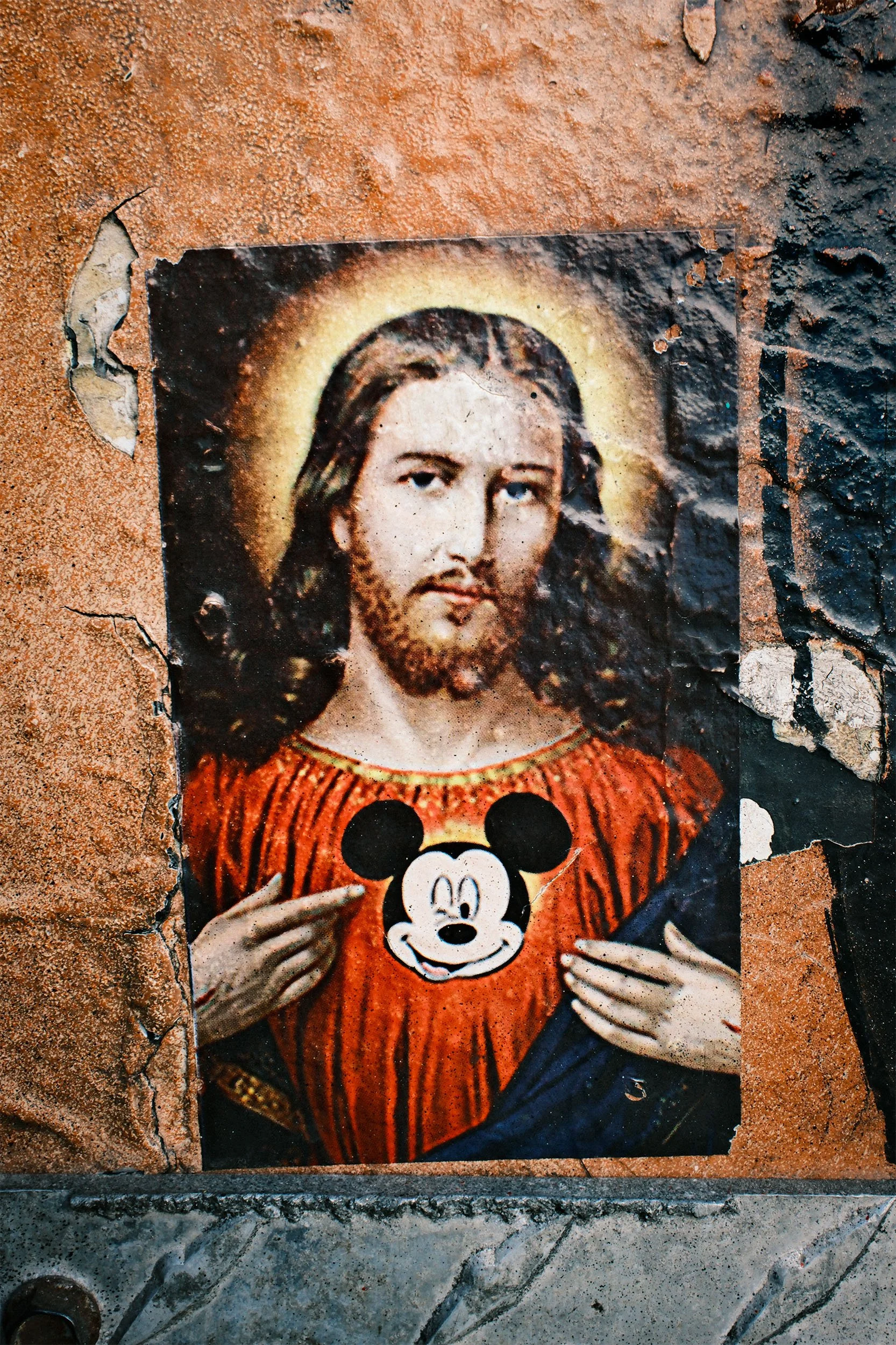
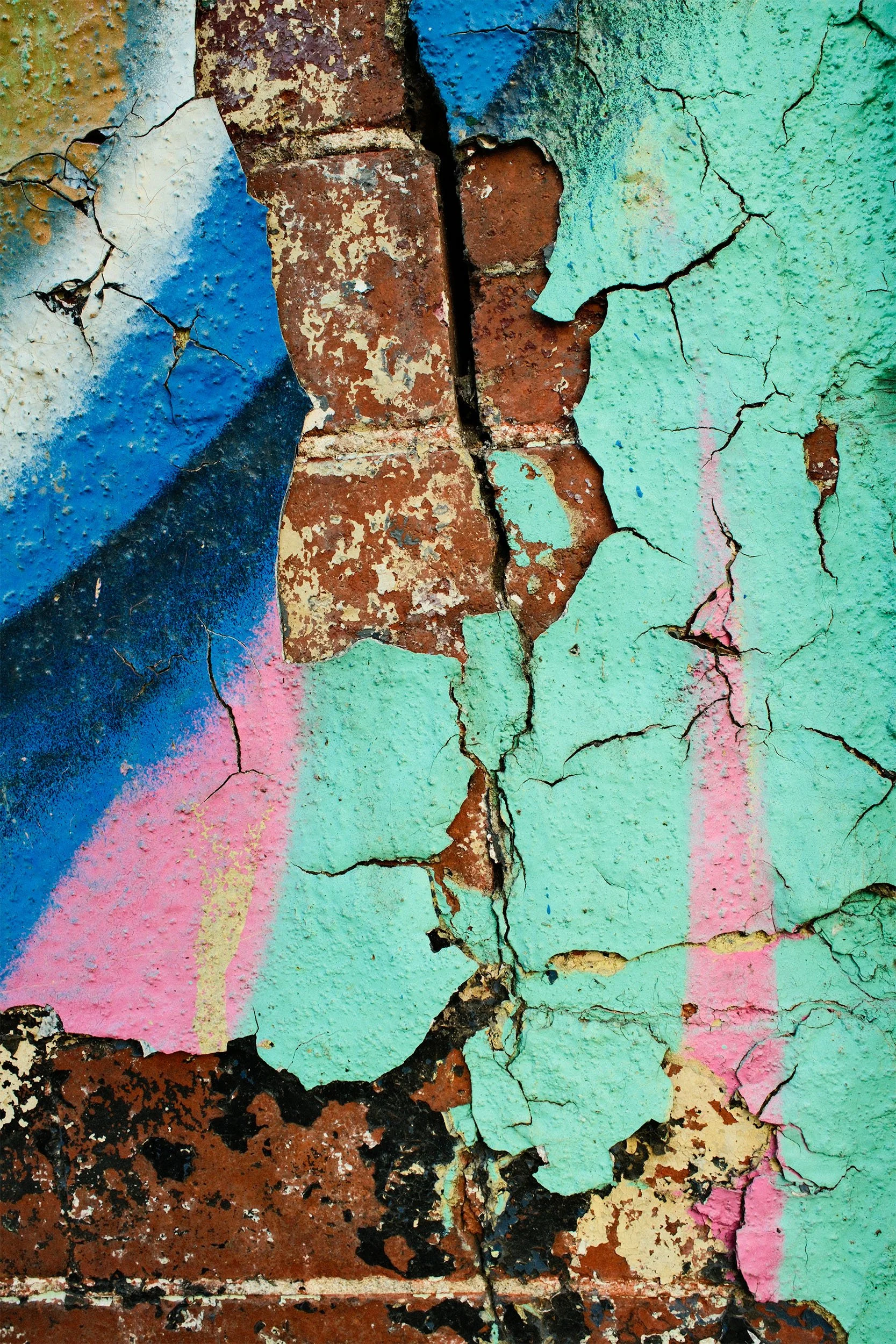
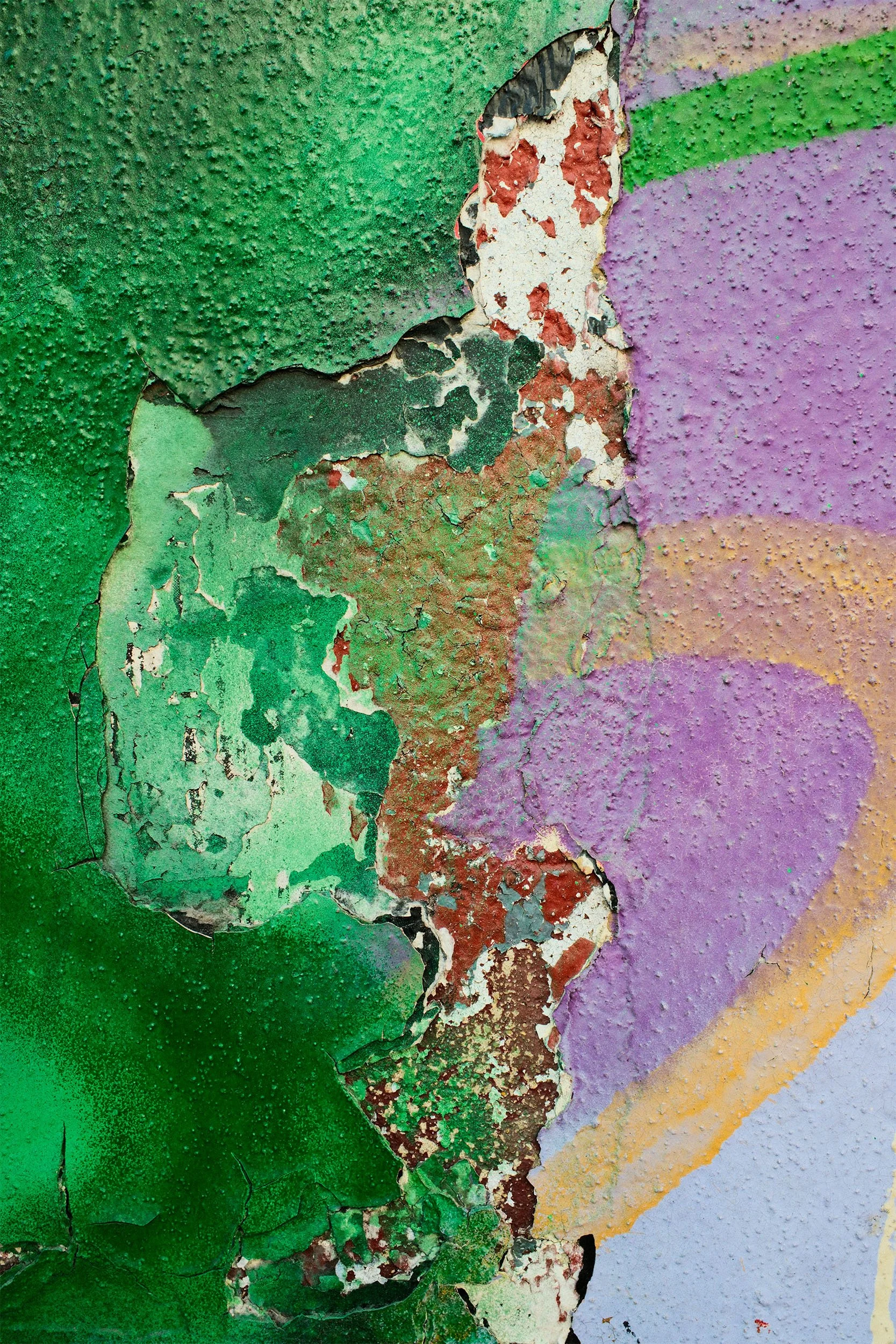
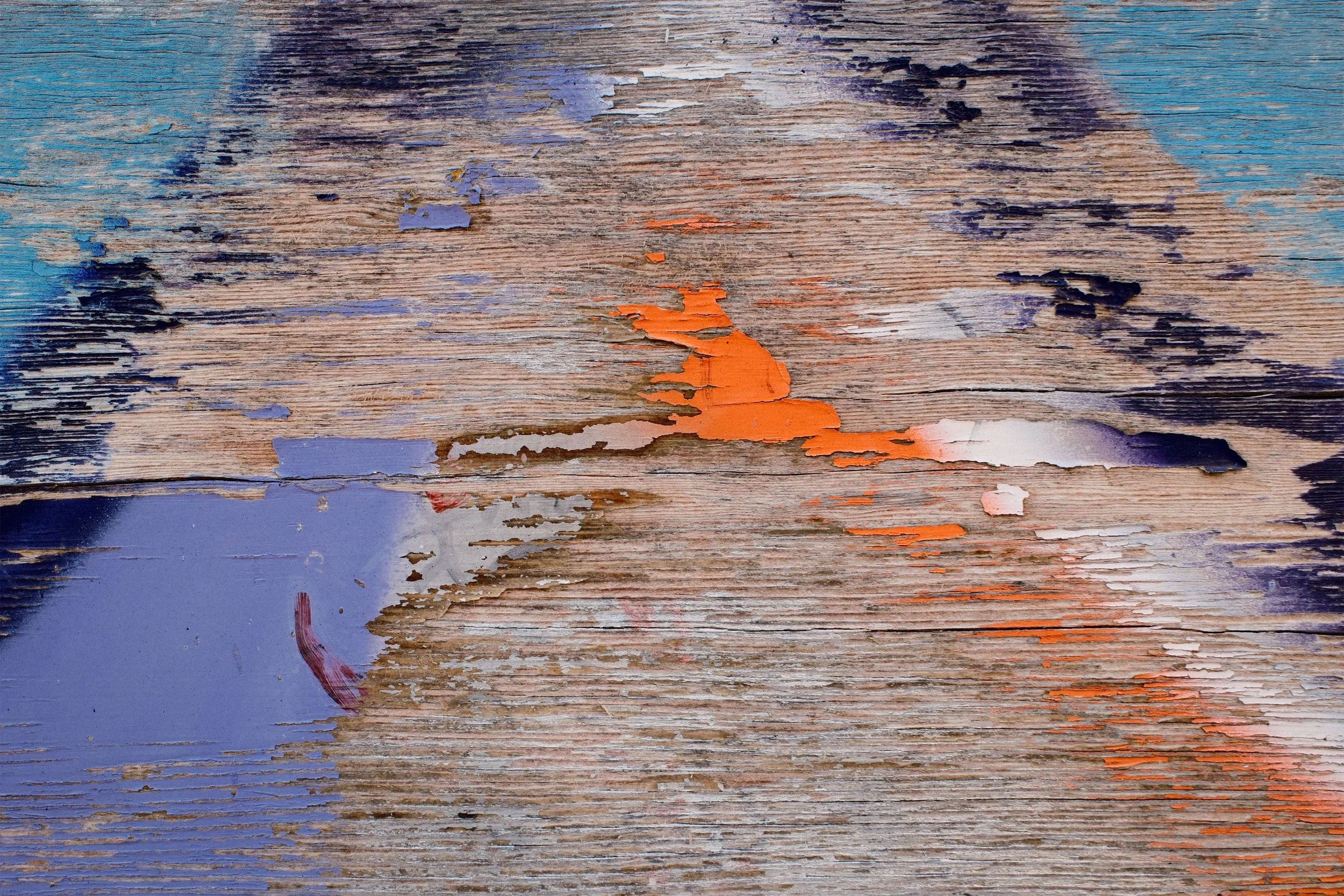
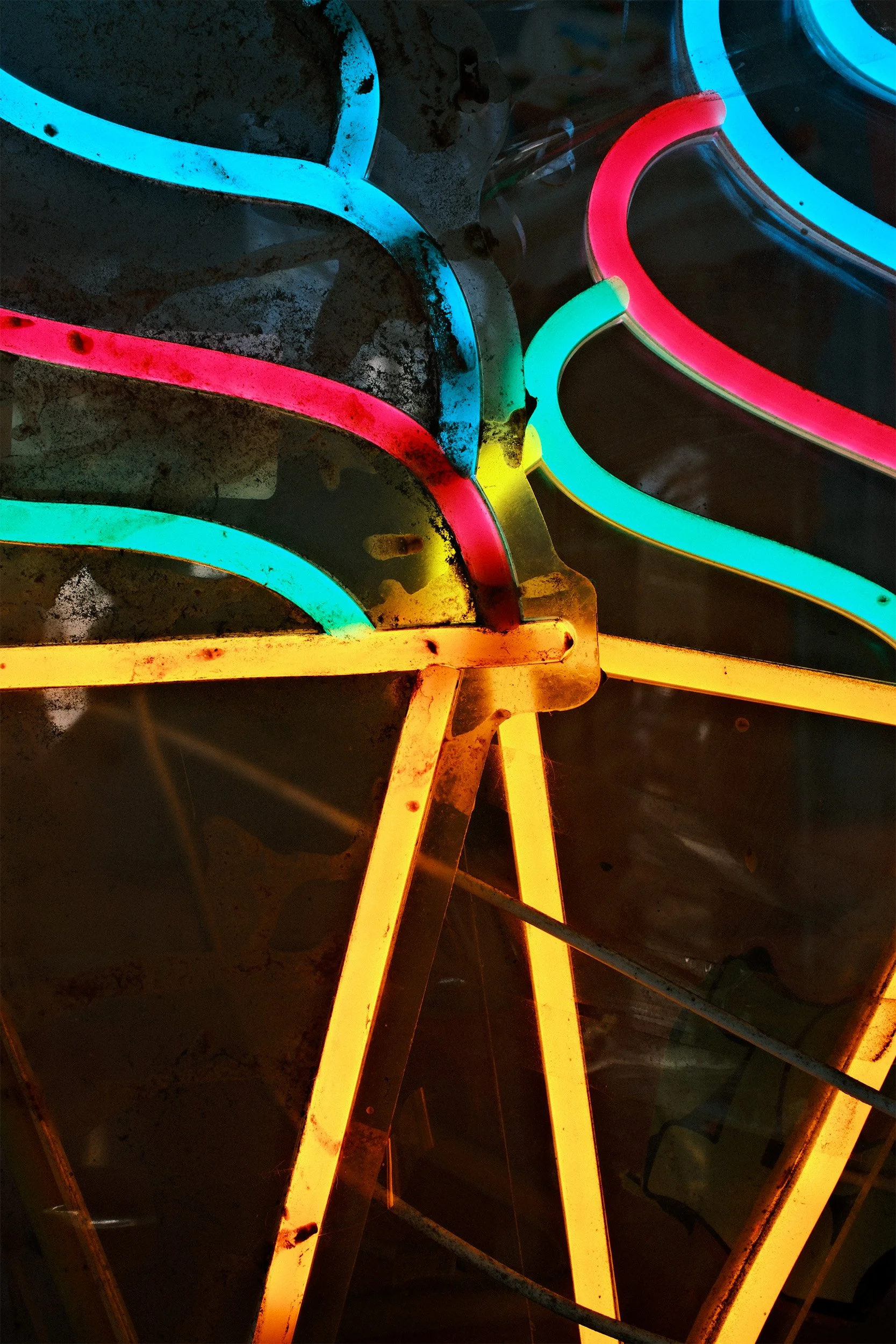
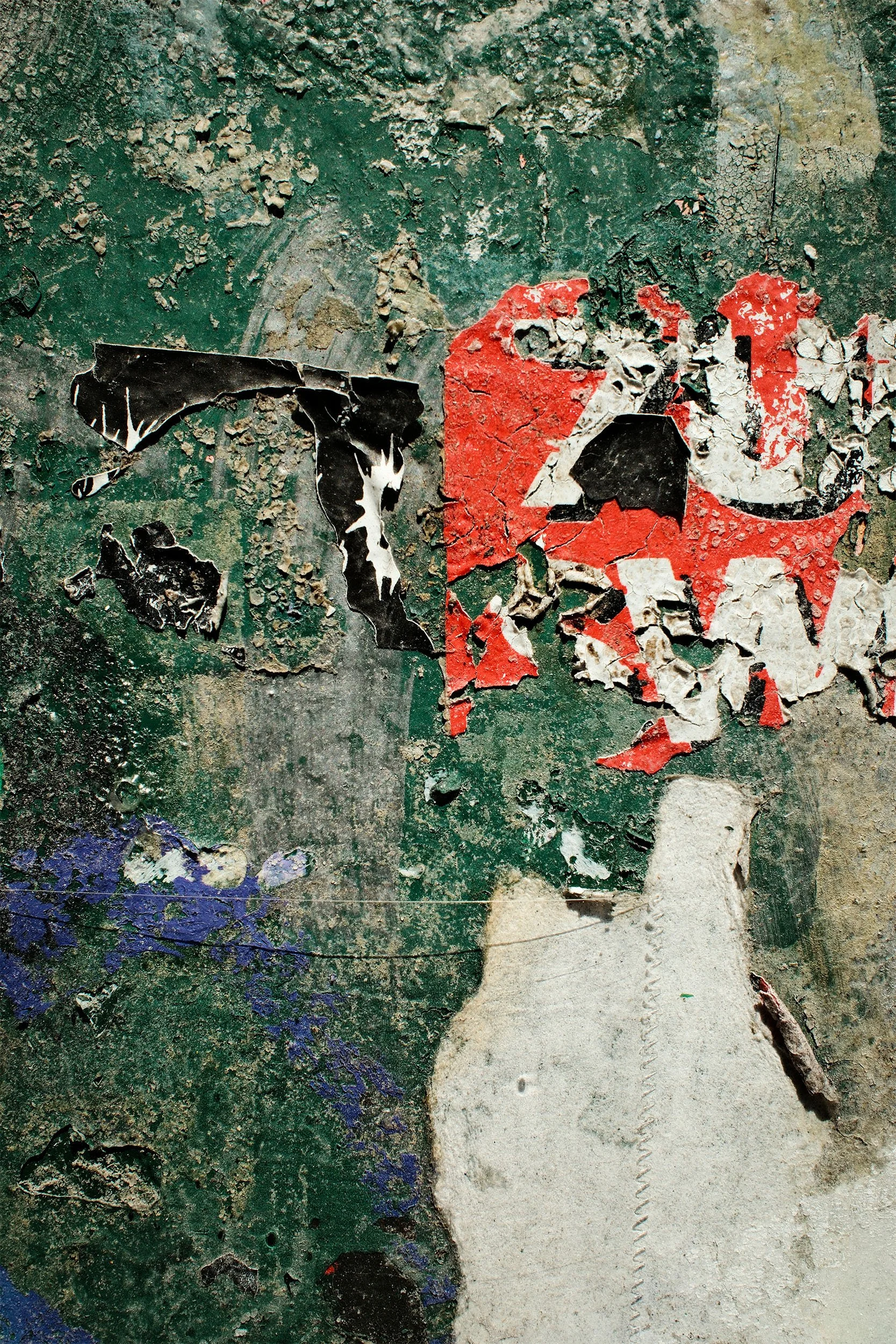
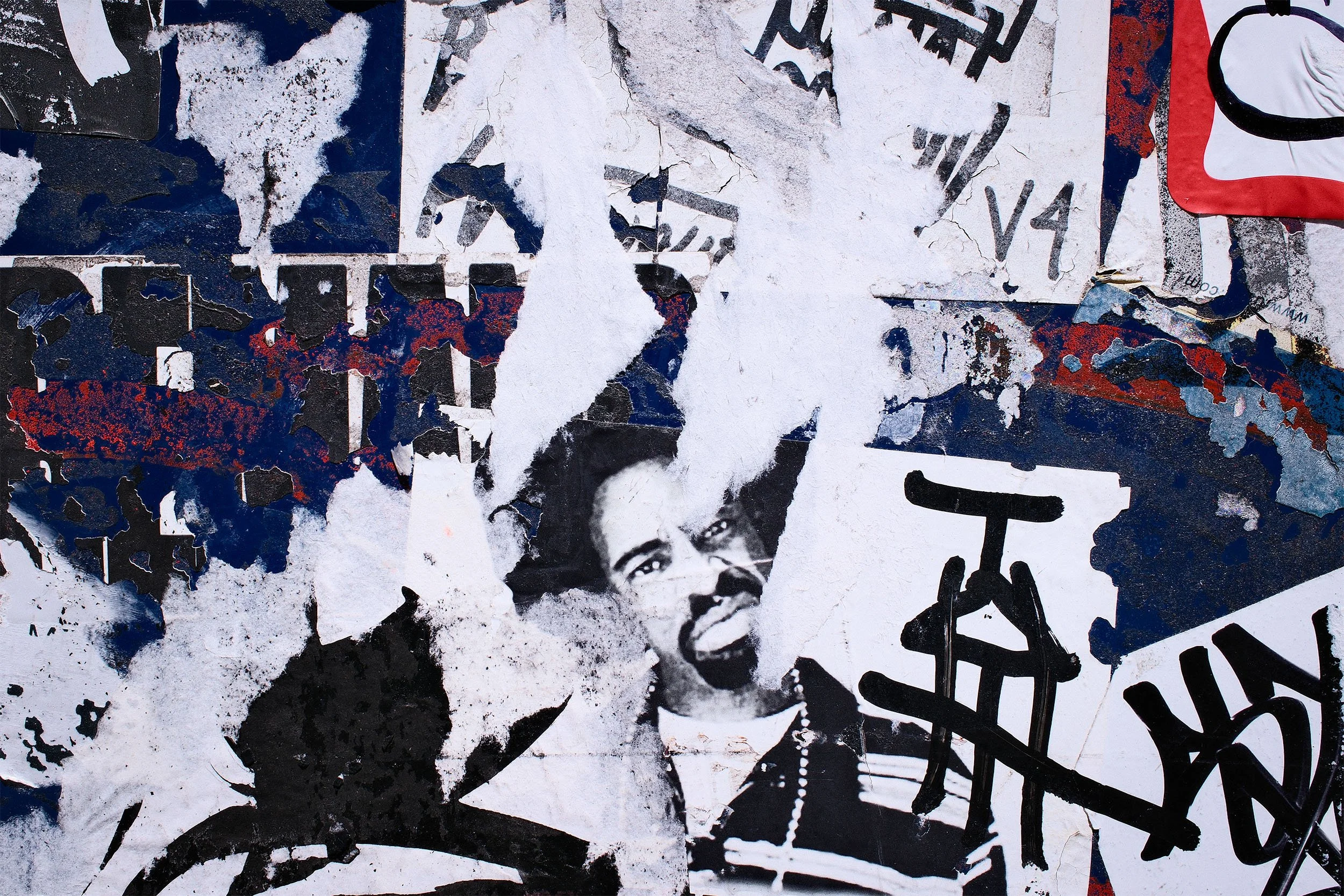
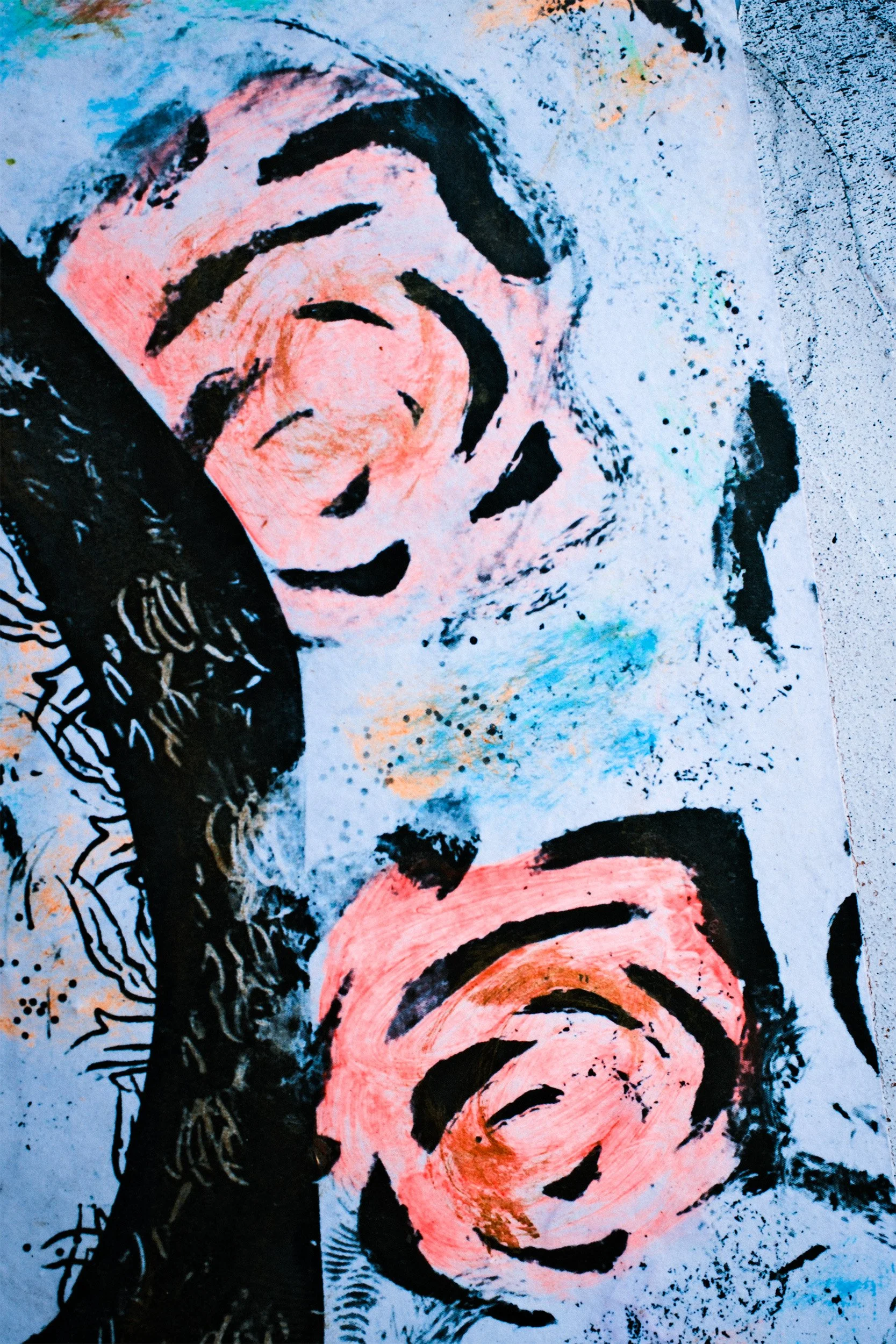
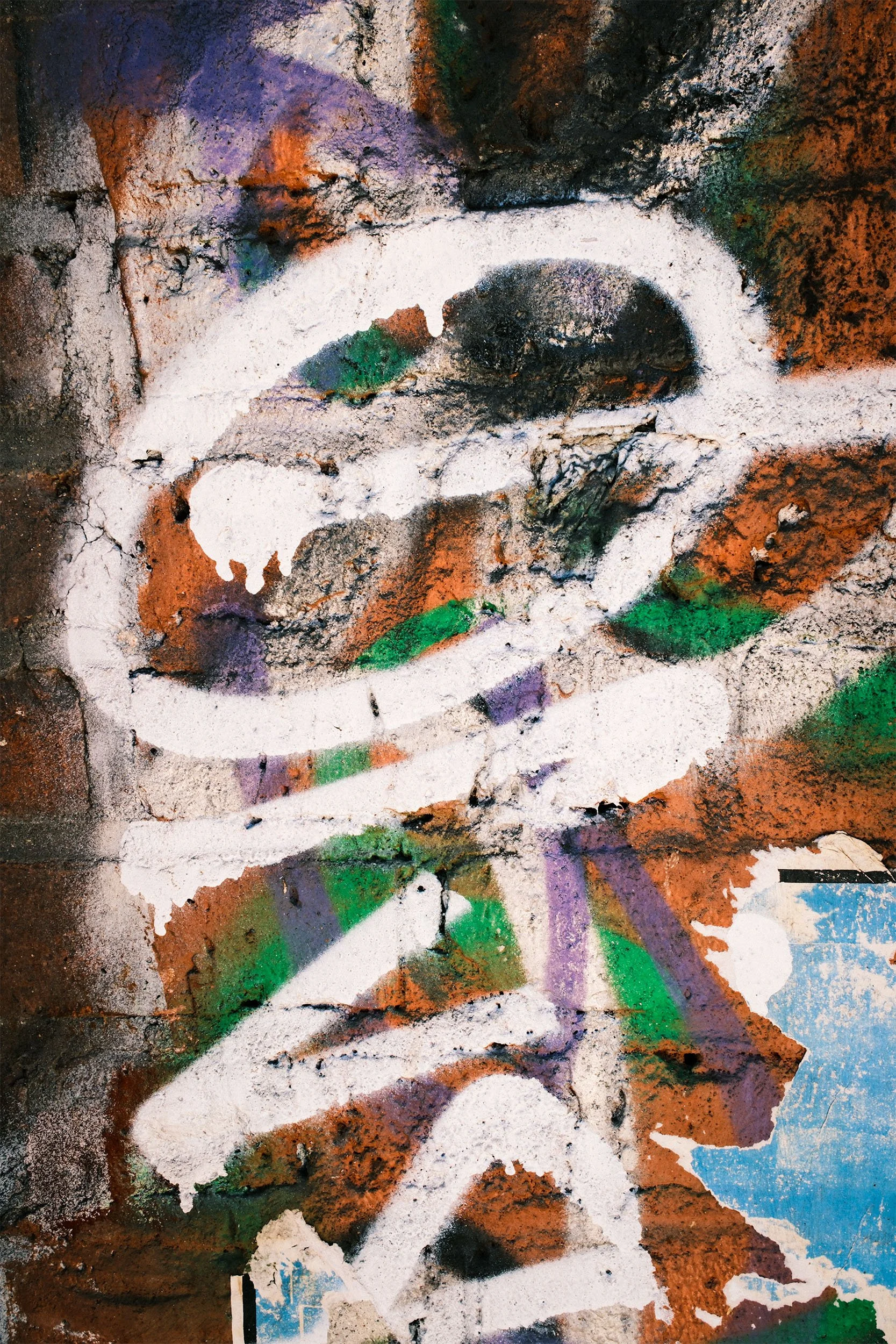
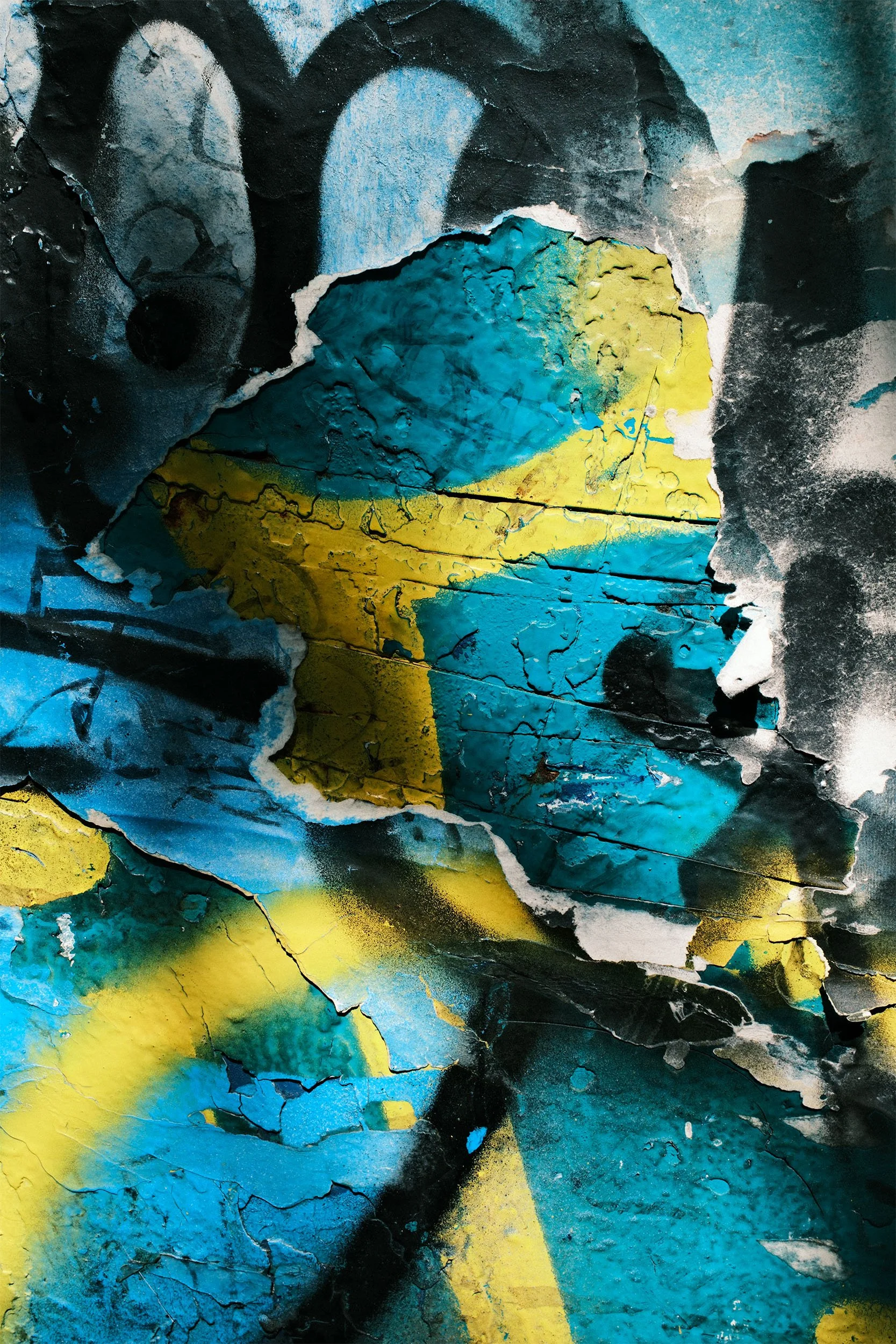
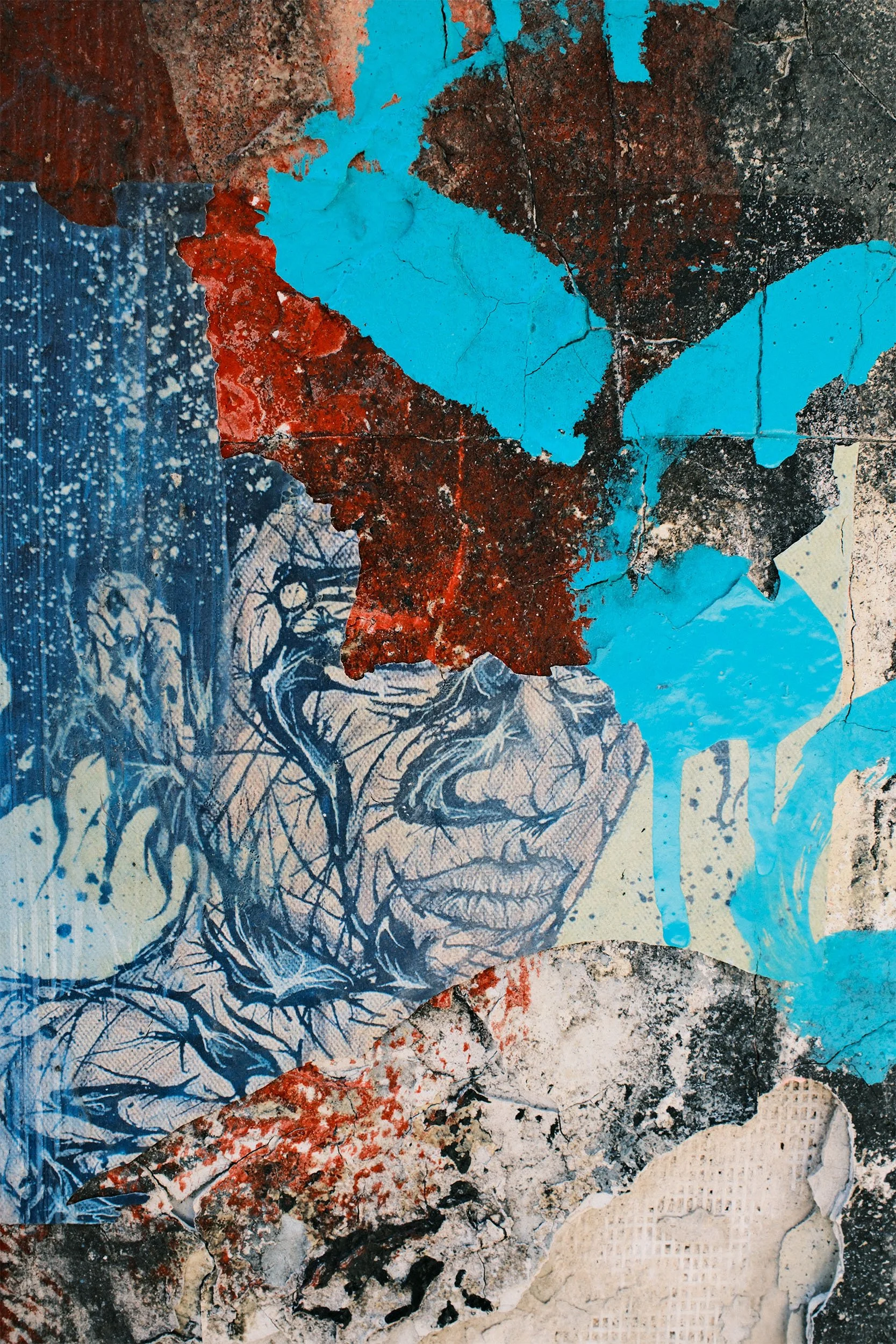
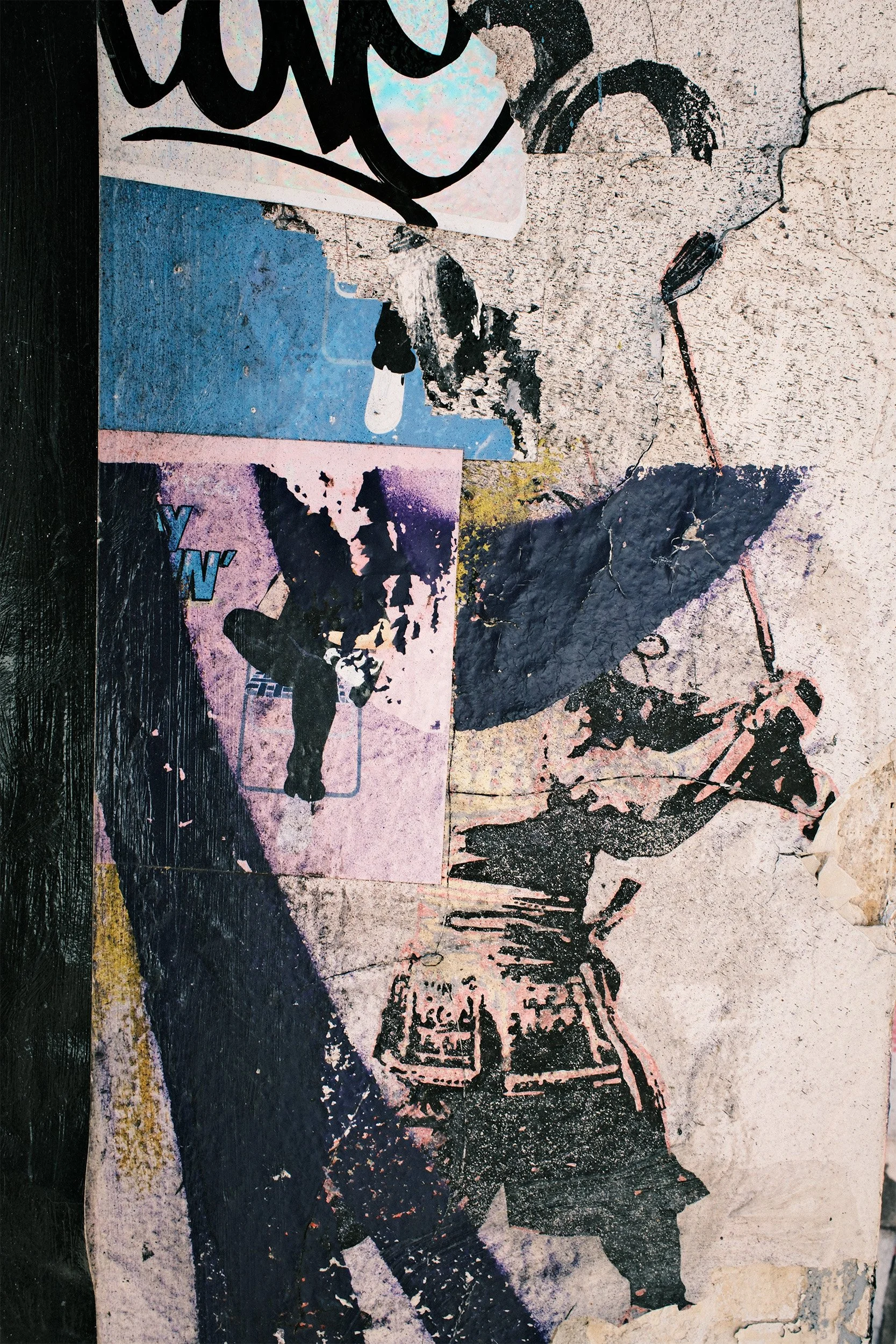
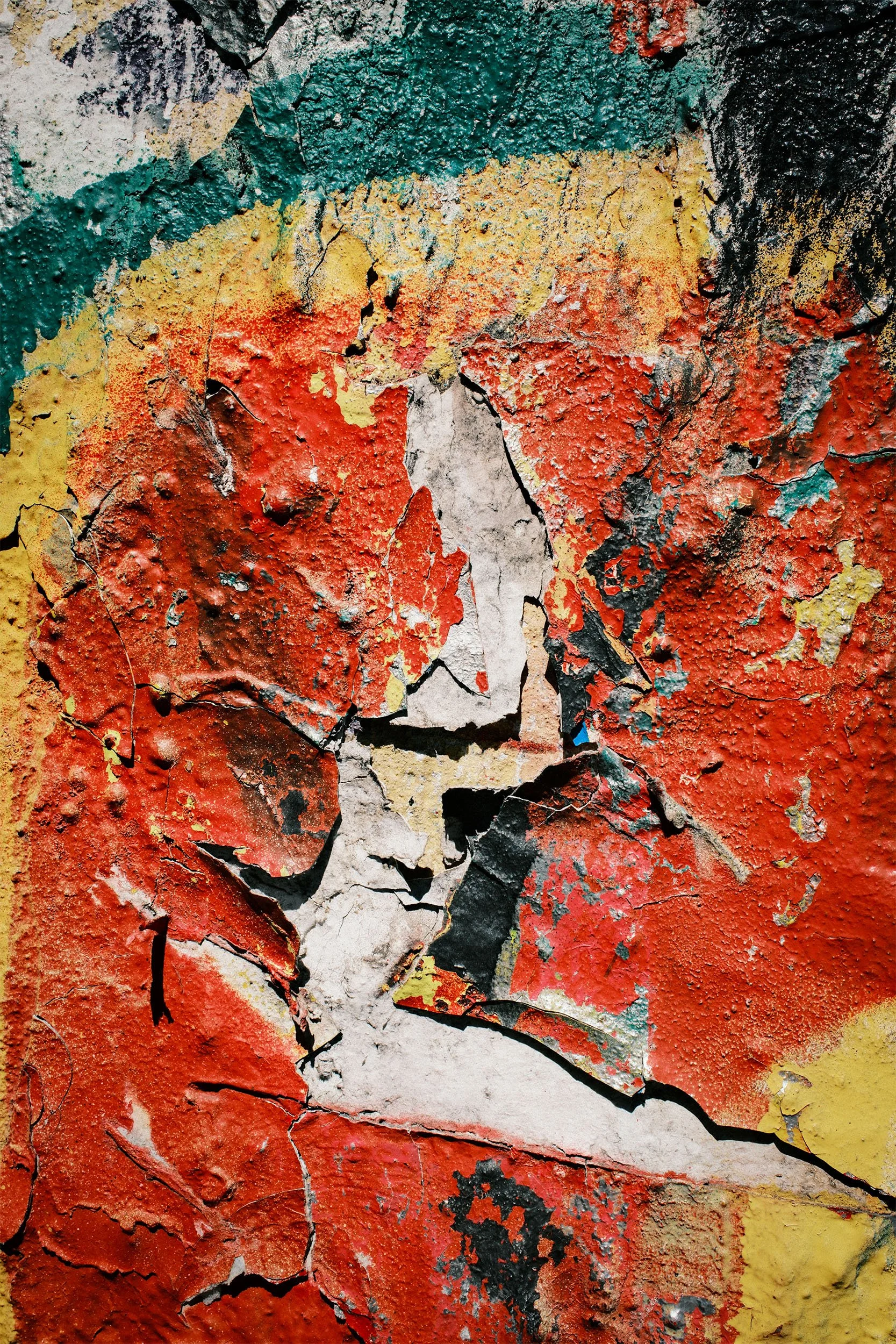
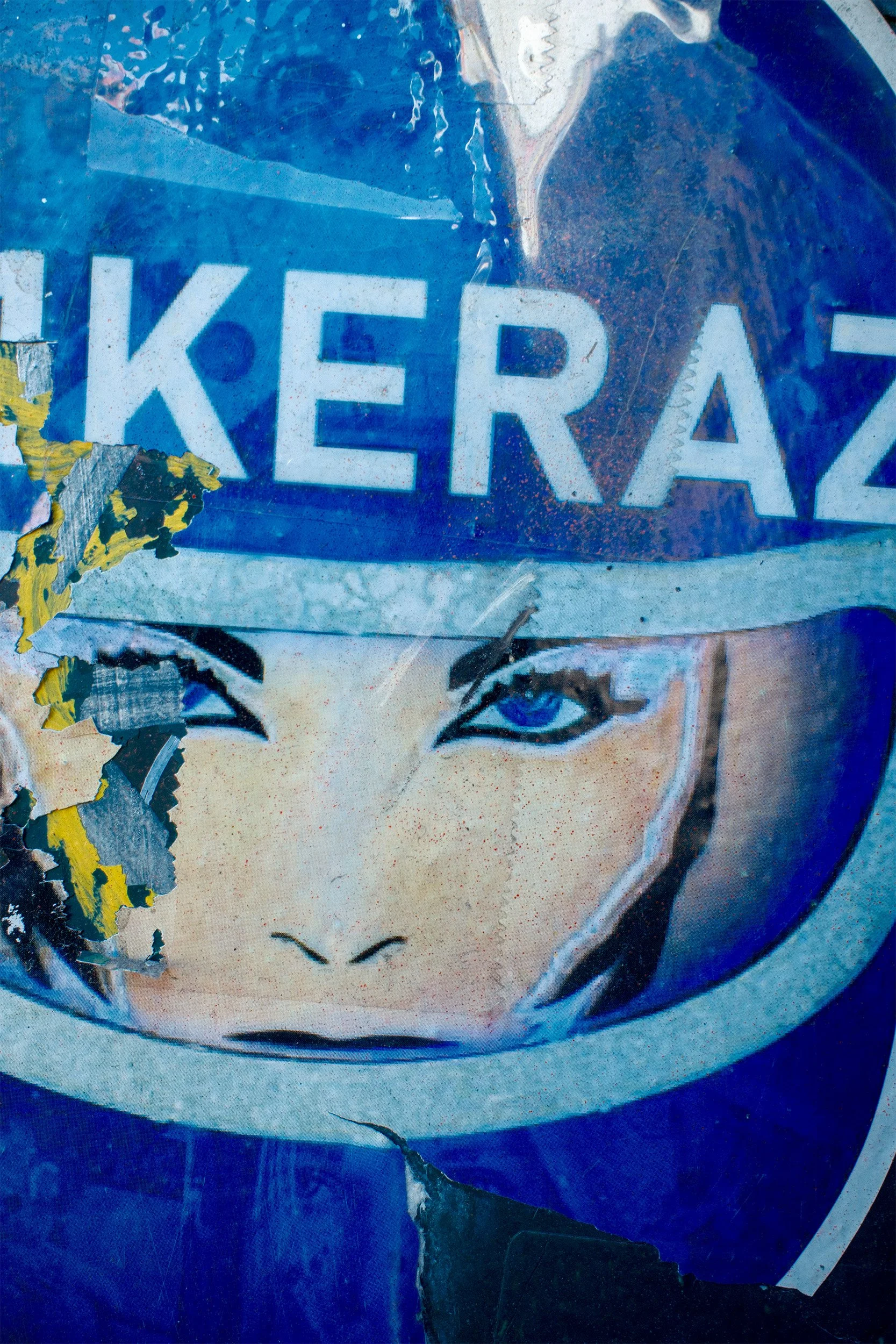
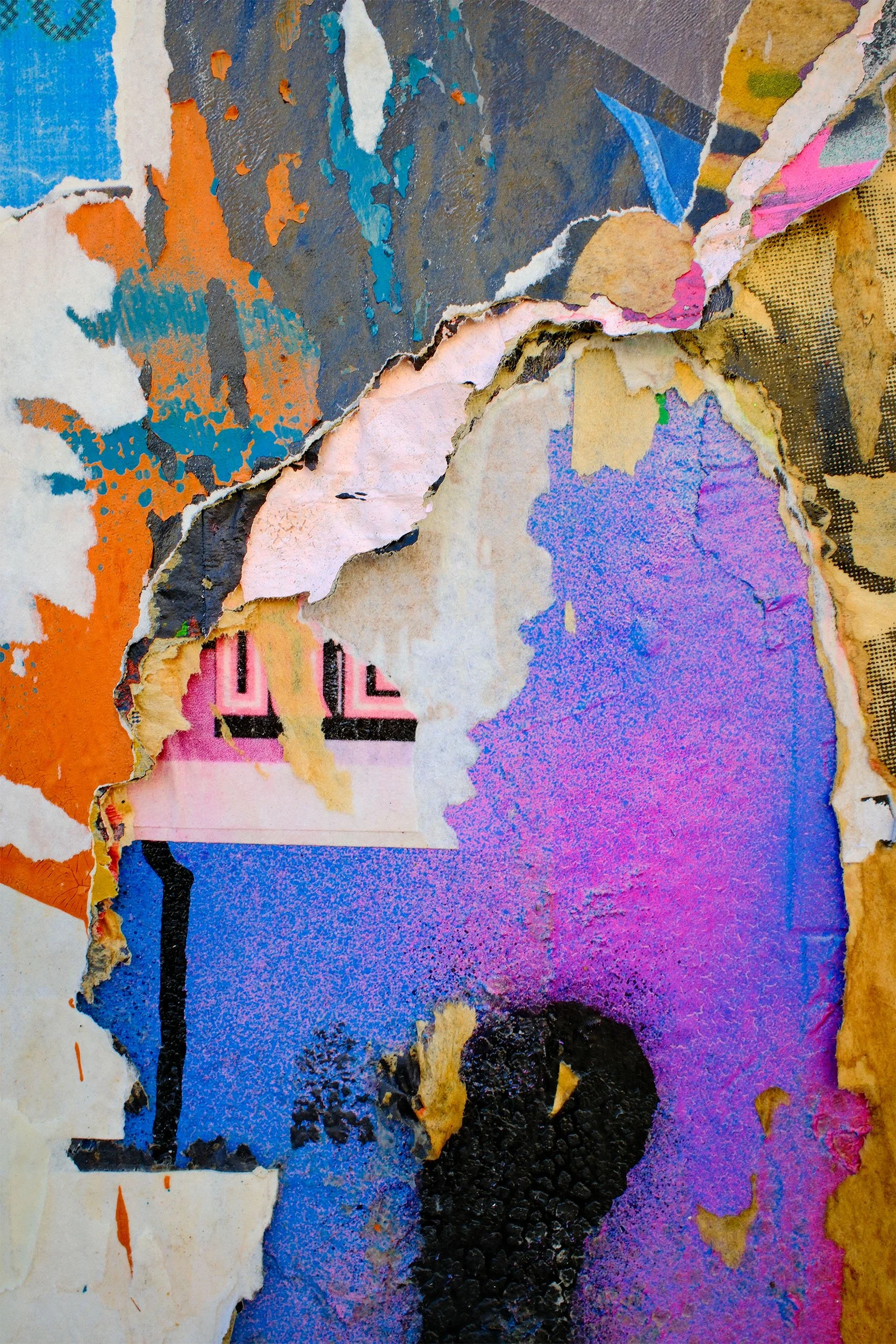
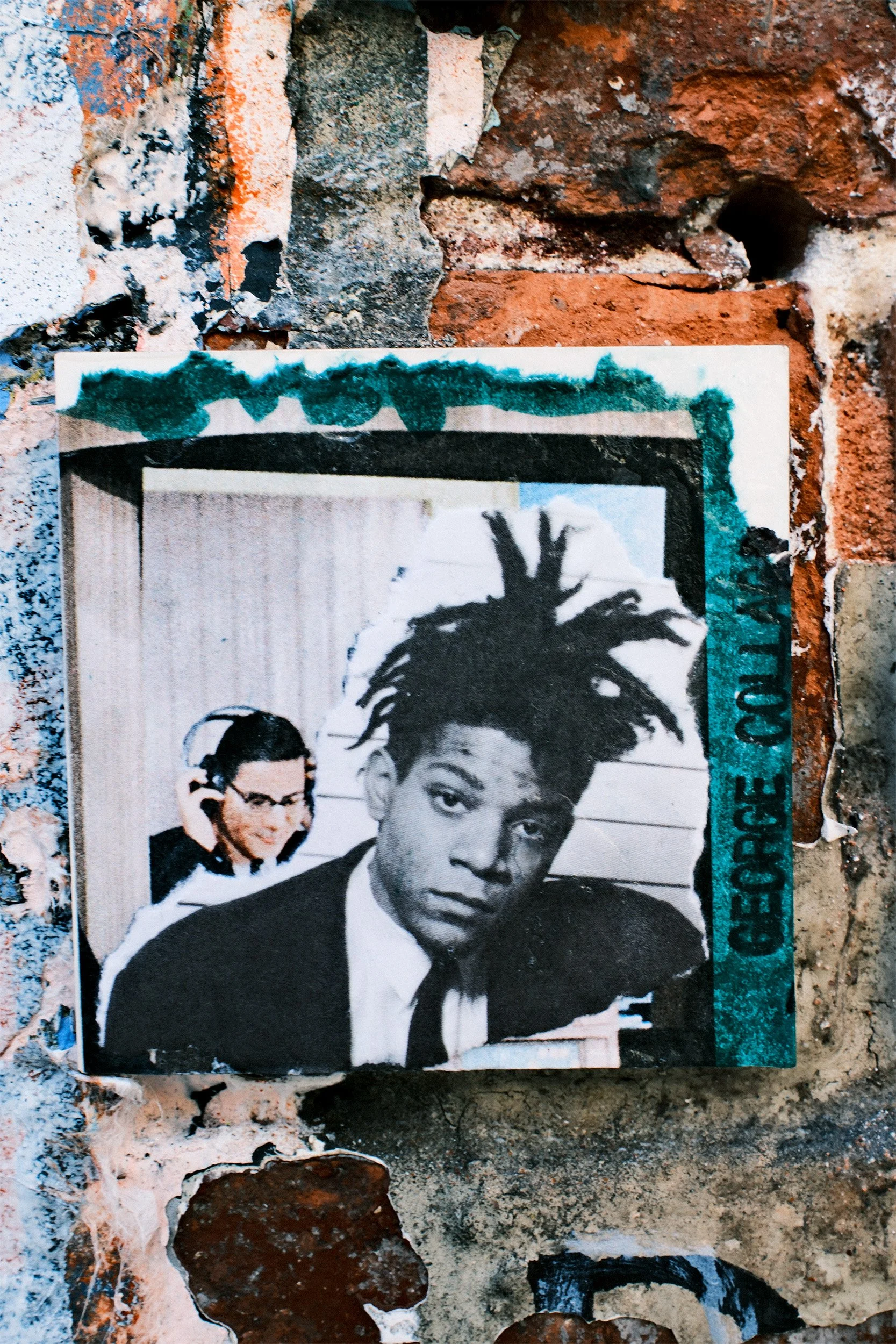
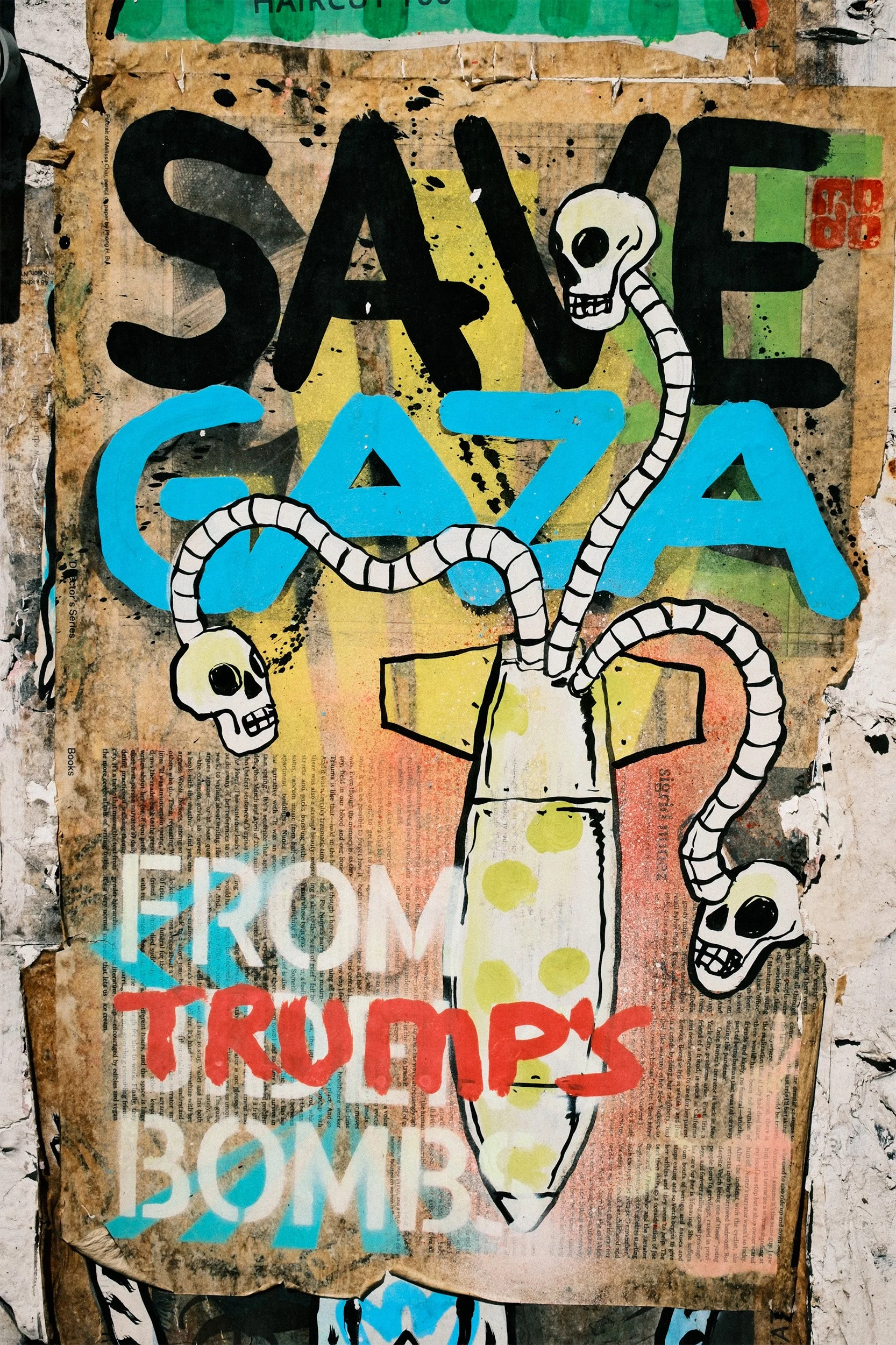
Looking at photographs of New York from the 1950s, 60s and 70s — Saul Leiter's steamed windows and reflected umbrellas, Ernst Haas's saturated streets — the city seems almost impossibly vivid. That color was real. It was there. And walking through Midtown, down through the Village, the Bowery and the Lower East Side yesterday, I found myself searching for it. What I found was mostly incidental — power boxes, mailboxes, and walls buried under layers of stickers and graffiti where color had accumulated almost by accident. The city's color now lives by accident, in the places that haven't yet been renovated into sameness. That was what I found worth photographing.
I have included way more images in the gallery below than usual, and that number is just a fraction of what I made. Many of the images are just colors and shapes, while others have stickers that start to tell a story. Are they art, do they have a sense of intent on part? I am not sure, but I did work very hard to make something out of the chaos, something that read like a piece of abstract art. Some are more of an interpretation of the remnants of the messages and promotions intended by the stickers. I found it challenging and fun — and that was what mattered!
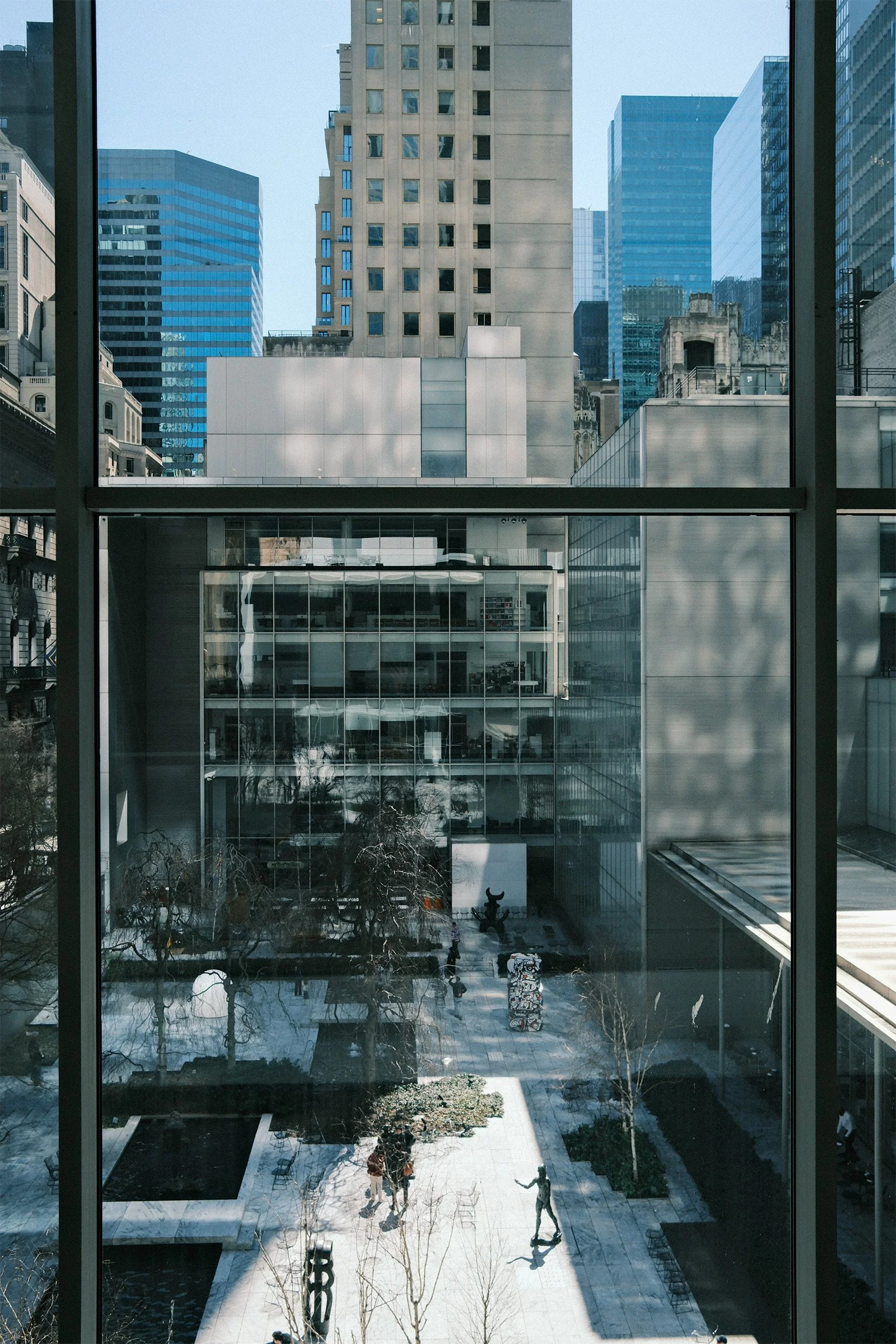
P.S. I have also included one more interior shot and the view from MoMA looking over the sculpture garden.
P.S.S. Conner is doing well, and I am looking forward to seeing him upon my return home.